Fine Arts at Academy Del Sol — The Arts Aren’t Extra, They’re Essential
At Academy Del Sol, music, visual arts, theater, and movement are part of every student’s day — not an after-school program, not an elective. This is what makes us a Fine Arts charter school.
The Big Idea Behind Academy Del Sol
Most schools treat the arts as optional — something kids do if they finish their “real” work first. We don’t. At ADS, the arts aren’t separate from learning. They are learning.
When kids paint, perform, play instruments, and move their bodies, they don’t just become better artists. They become better readers, better mathematicians, better thinkers, and better humans. That’s why every Academy Del Sol student — every day, every grade — has the arts woven into their school experience.
Integration, Not Isolation
At most schools, “arts” means a 45-minute music class once a week and a watercolor lesson before Thanksgiving. At Academy Del Sol, the arts are part of the curriculum itself.
That’s the difference between offering the arts and being a Fine Arts charter school. Our teachers don’t just teach about music — they use music to teach math. They don’t just hang up student paintings — they use visual art to teach science observation. The arts are tools for learning every subject, not a reward for finishing the “important” work.
Music once a week. Art class on Fridays. PE counts as movement. The arts are nice extras — squeezed in when time allows.
Music in math class. Theater in language arts. Visual art in science. Movement during brain breaks. The arts are part of every day, every grade.
A Closer Look at the Arts at ADS
Four art disciplines, woven into every grade level, every campus, every school day. Here’s what each one looks like in practice.
Music
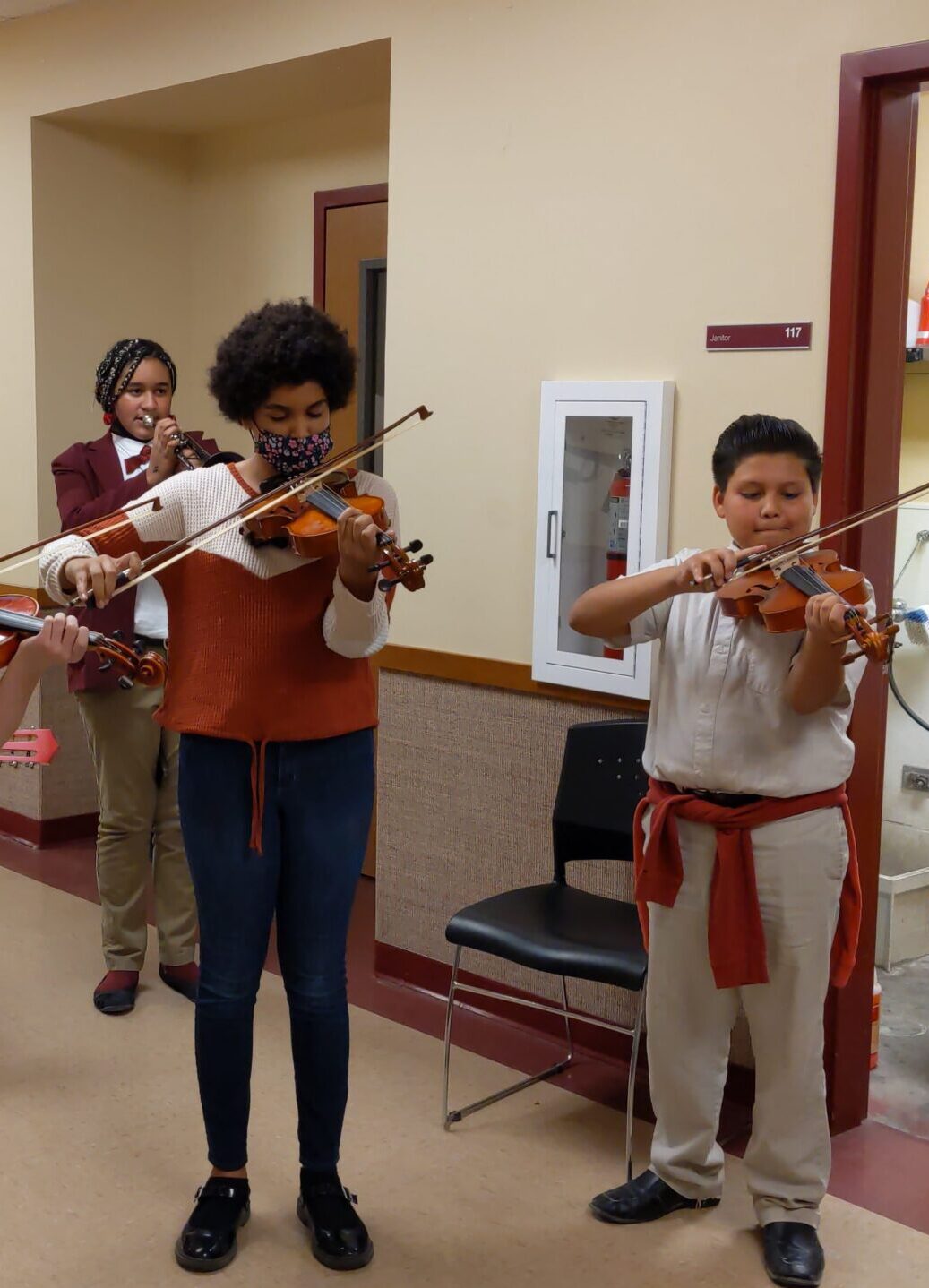
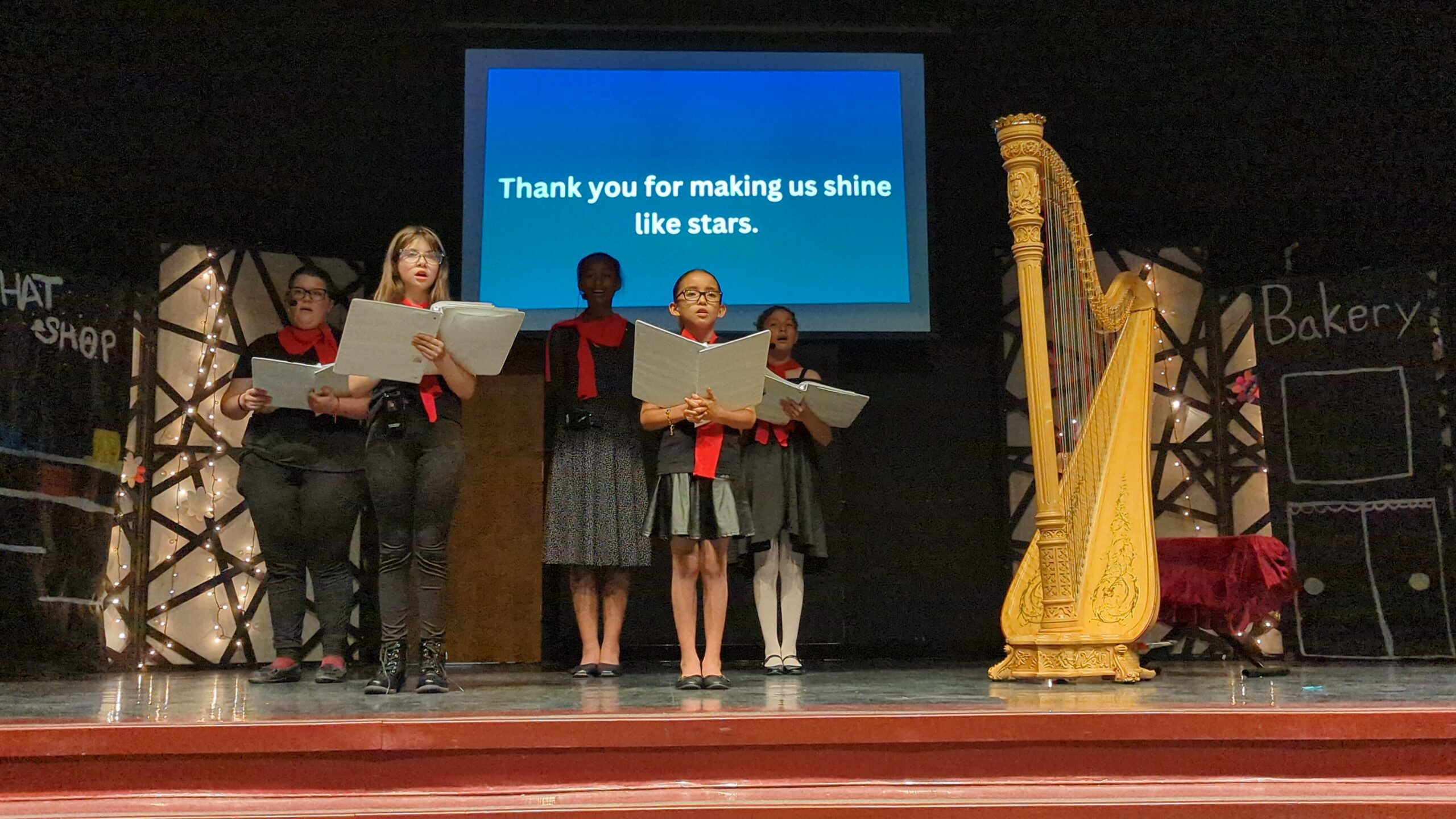
Vocal and instrumental music is more than singing — it’s pattern recognition, mathematical thinking, memory training, and the pure joy of making something beautiful with your voice or hands. Music at ADS is a core part of how our students learn discipline, focus, and the satisfaction of practice.
- Vocal music — choirs, singing groups, and classroom singing that builds confidence and breath control
- Instrumental introduction — students explore rhythm, percussion, and melodic instruments
- Music in academics — songs to memorize math facts, rhythm to teach syllables, melody to anchor history
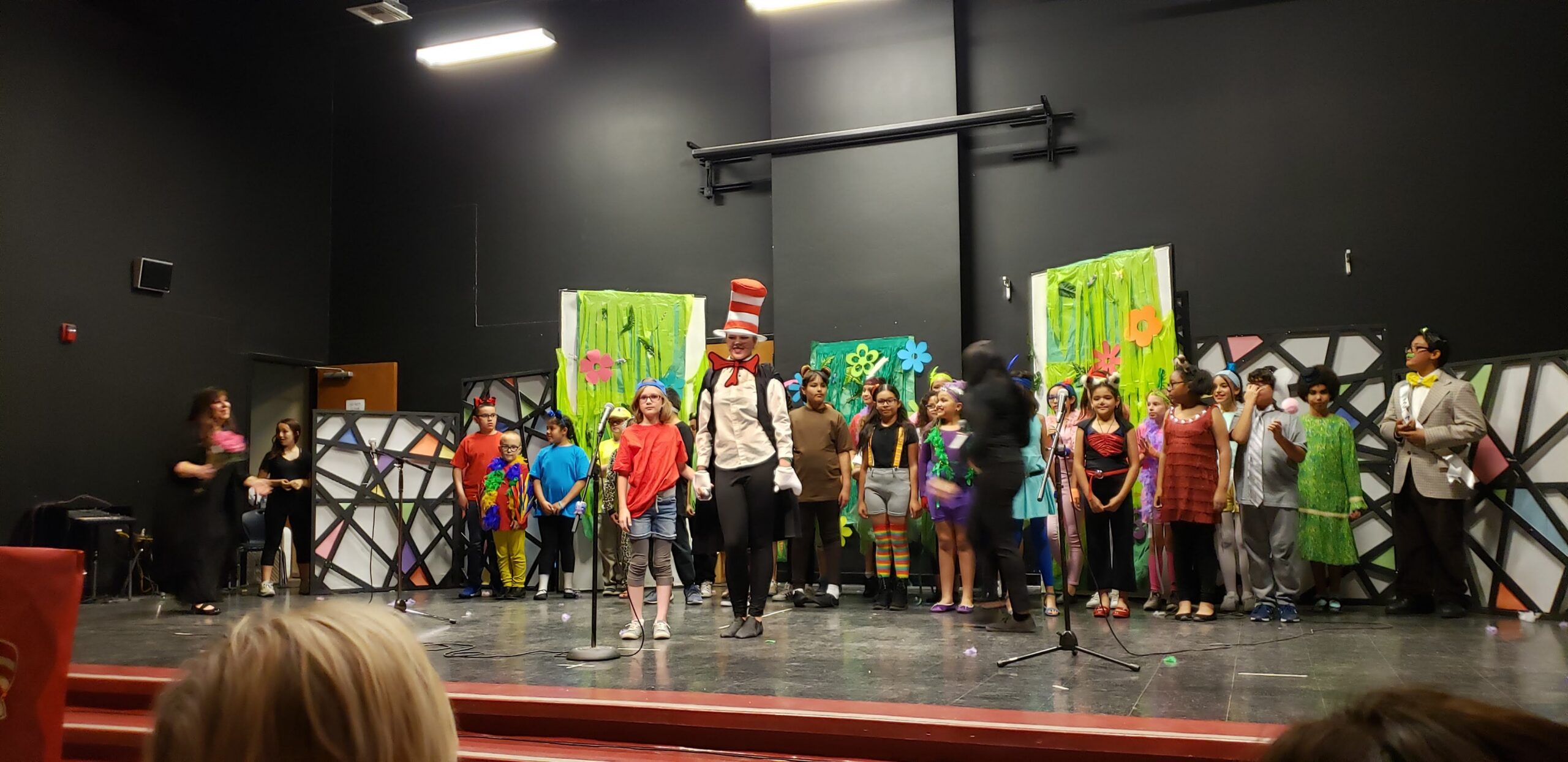
- Performance opportunities — students share their work with families and the school community
Visual Arts
Drawing, painting, sculpture, collage, and digital art teach kids to observe carefully, think visually, and translate ideas into form. Visual art at ADS develops creativity AND the fine motor skills, planning, and attention to detail that help kids excel in writing, math, and science.
- Drawing and painting — building observation skills and hand-eye coordination from kindergarten on
- Sculpture and 3D work — spatial reasoning, problem solving, and tactile learning
- Art as observation — sketching plants in science, mapping in social studies, illustrating writing
- Cultural exploration — exposure to art traditions from around the world, including Tucson’s rich heritage
Theater & Drama
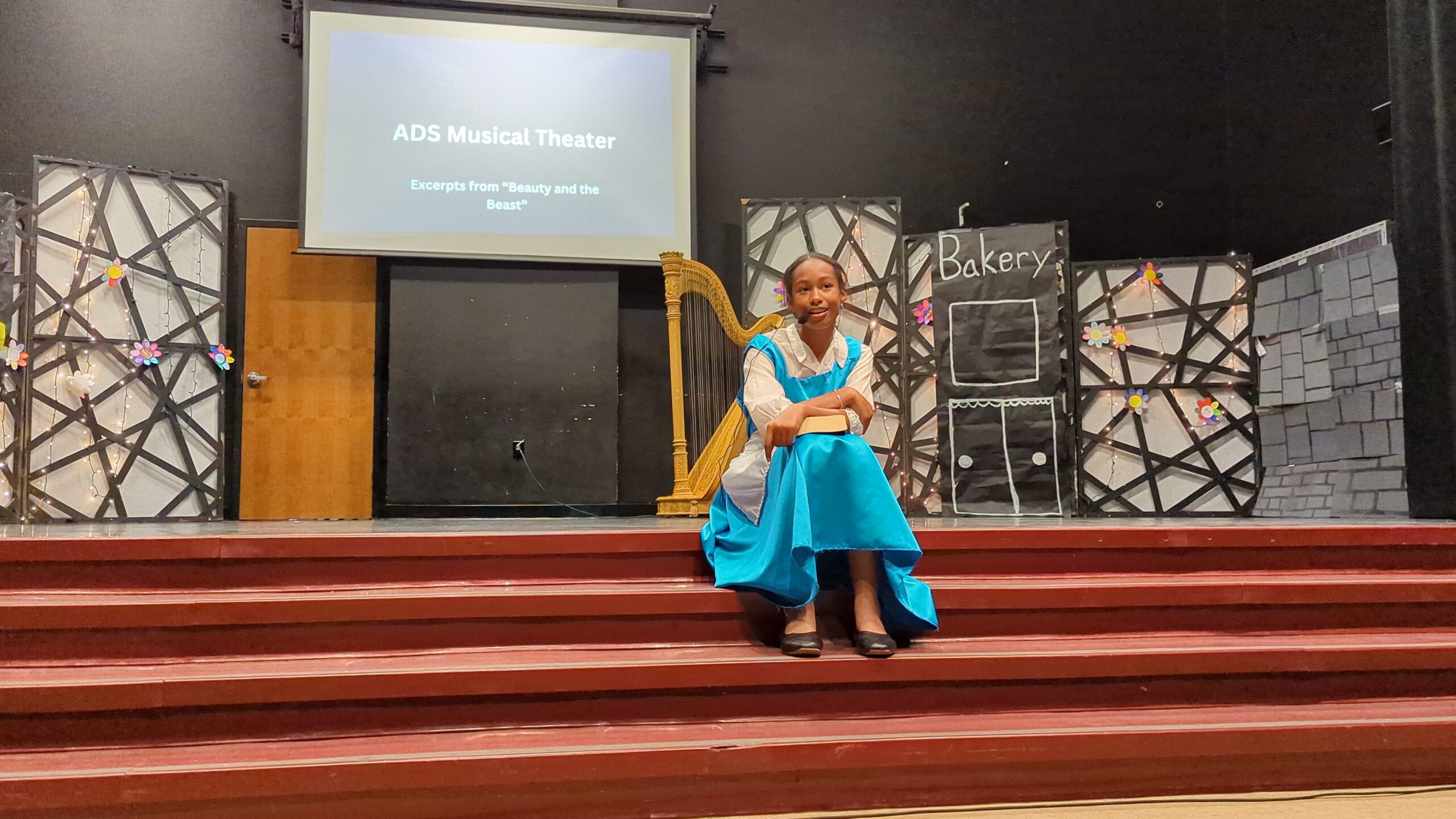
Stepping into a character. Memorizing lines. Speaking in front of an audience. Theater is where shy kids find their voice and confident kids learn empathy — by stepping into someone else’s perspective. It’s also one of the most powerful tools we have for building public speaking, comprehension, and emotional intelligence.
- Drama in language arts — students perform scenes from stories to deepen reading comprehension
- Improvisation and storytelling — quick thinking, listening skills, and collaboration
- Performance projects — class plays and presentations that build confidence and public speaking
- Empathy through perspective — playing different characters develops the ability to see the world through other eyes
Movement & Dance
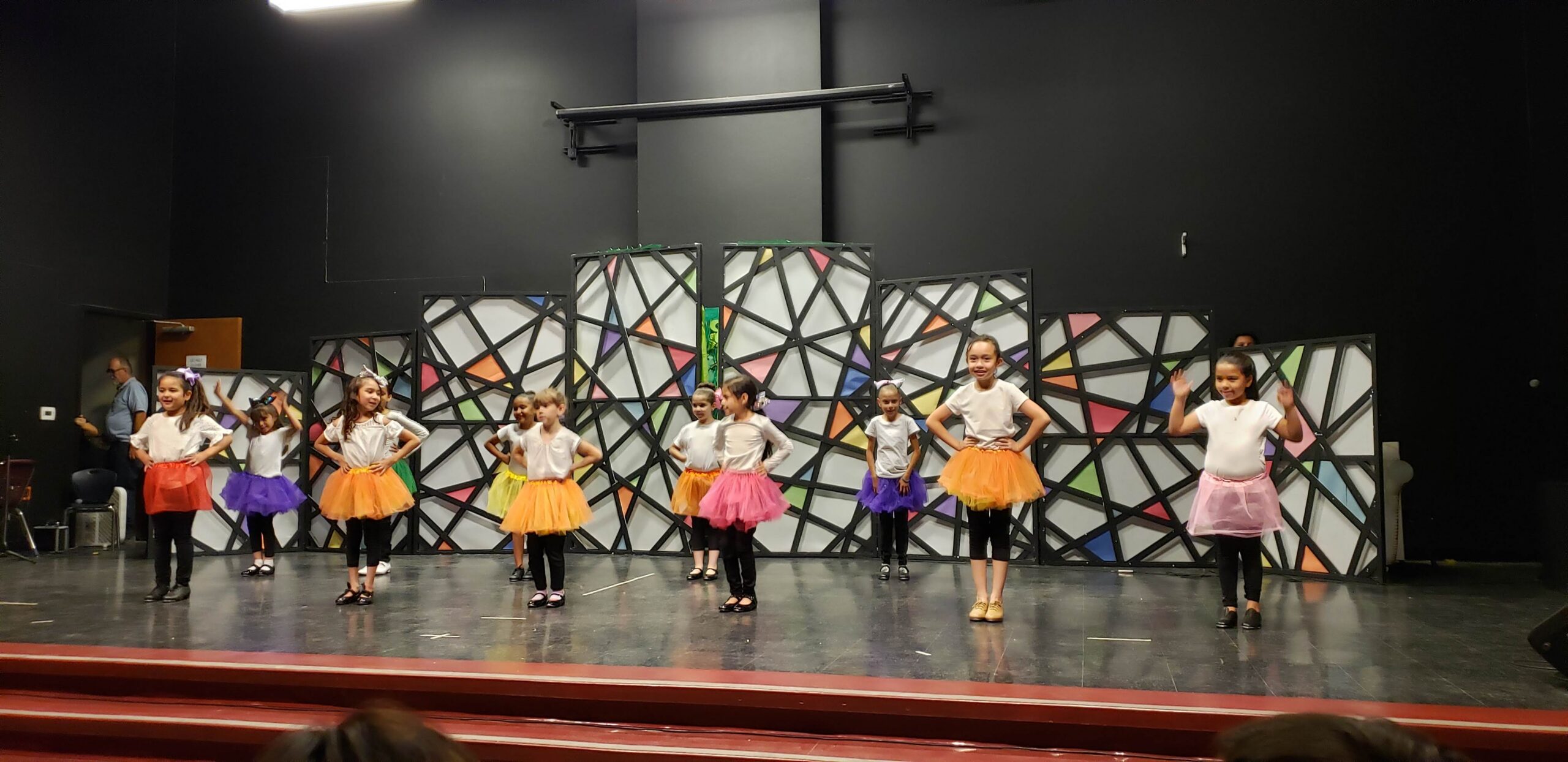
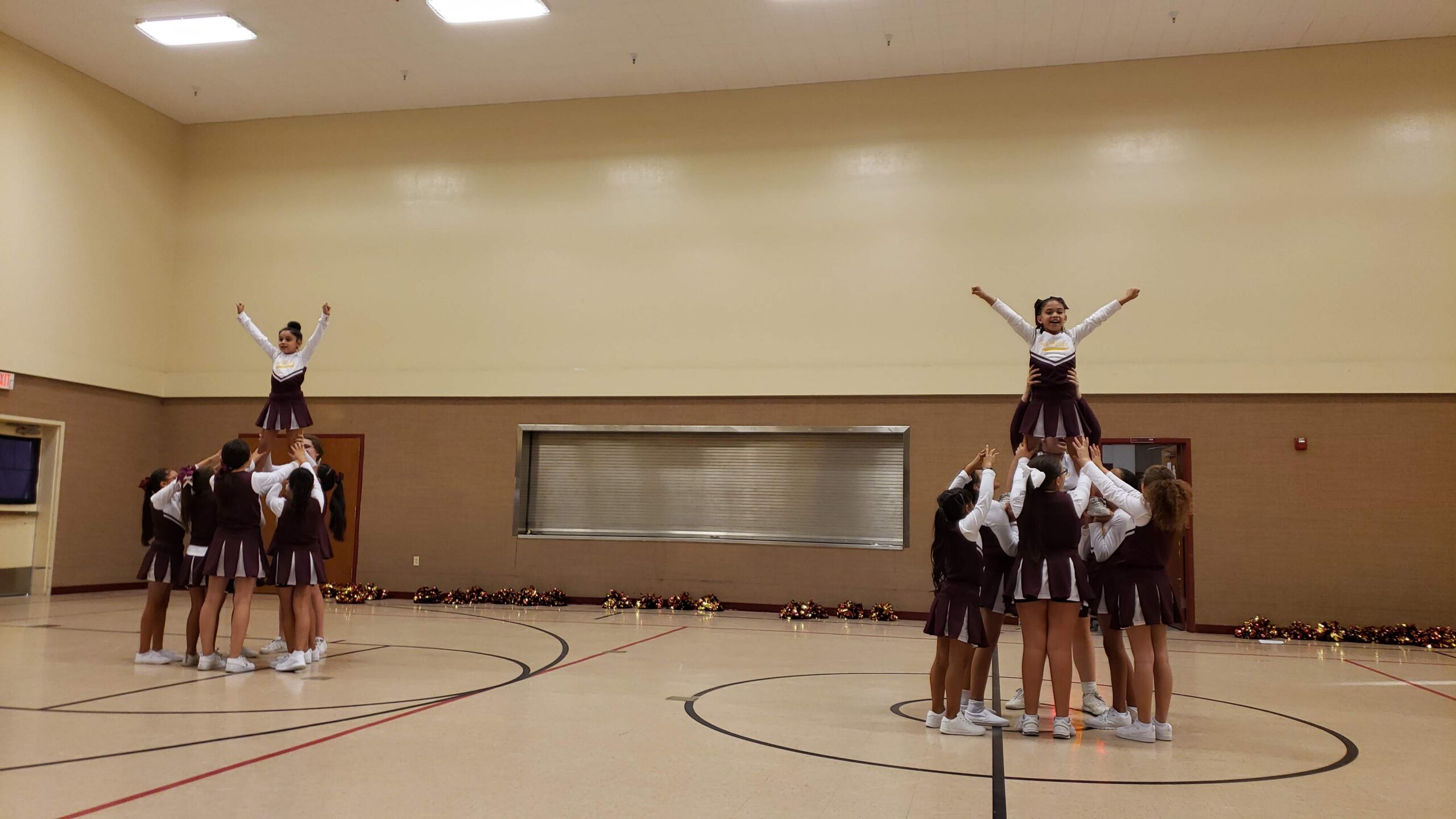
Creative movement and dance aren’t gym class. They’re how kids learn coordination, body awareness, cultural traditions, and self-expression — and how they reset their bodies and brains during long school days. Movement at ADS keeps students engaged, focused, and connected to themselves and each other.
- Creative movement — choreography, body awareness, and physical expression from kindergarten on
- Cultural dance — exposure to traditional dances reflecting our Tucson community’s heritage
- Movement as learning — acting out math problems, walking through historical timelines, gesturing through vocabulary
- Brain breaks that matter — short movement sessions throughout the day to reset focus and energy
The Skills Your Child Gains for Life
When the arts are woven into every school day, kids develop skills that go far beyond music notes or paintbrushes. These are the lifelong outcomes that make ADS graduates ready for high school, college, and whatever comes after.
Creativity
The ability to imagine, design, and bring new ideas to life — a skill colleges, employers, and the real world value more than memorization.
Discipline & Focus
Practicing an instrument, rehearsing a play, or perfecting a painting teaches kids that mastery requires patience, repetition, and the willingness to try again.
Confidence
Performing — whether on stage, on paper, or in front of a class — builds the courage to take risks, share ideas, and stand behind your work.
Communication
Through performance, presentation, and visual storytelling, students learn to express complex ideas in ways that connect with other people.
Collaboration
Choirs, plays, dance pieces, group art projects — the arts teach kids how to listen, support, and create something bigger than any one person.
Resilience
Every artist fails. Every musician hits wrong notes. The arts give kids a safe place to mess up, recover, and learn that struggle is part of growth.
How the Arts Strengthen Every Subject
Arts integration isn’t just about appreciation. It’s a learning strategy backed by decades of educator experience. Here’s what it looks like in real ADS classrooms.
Whole notes, half notes, quarter notes — music IS fractions. Students who clap rhythms internalize fractional relationships in ways worksheets can’t teach.
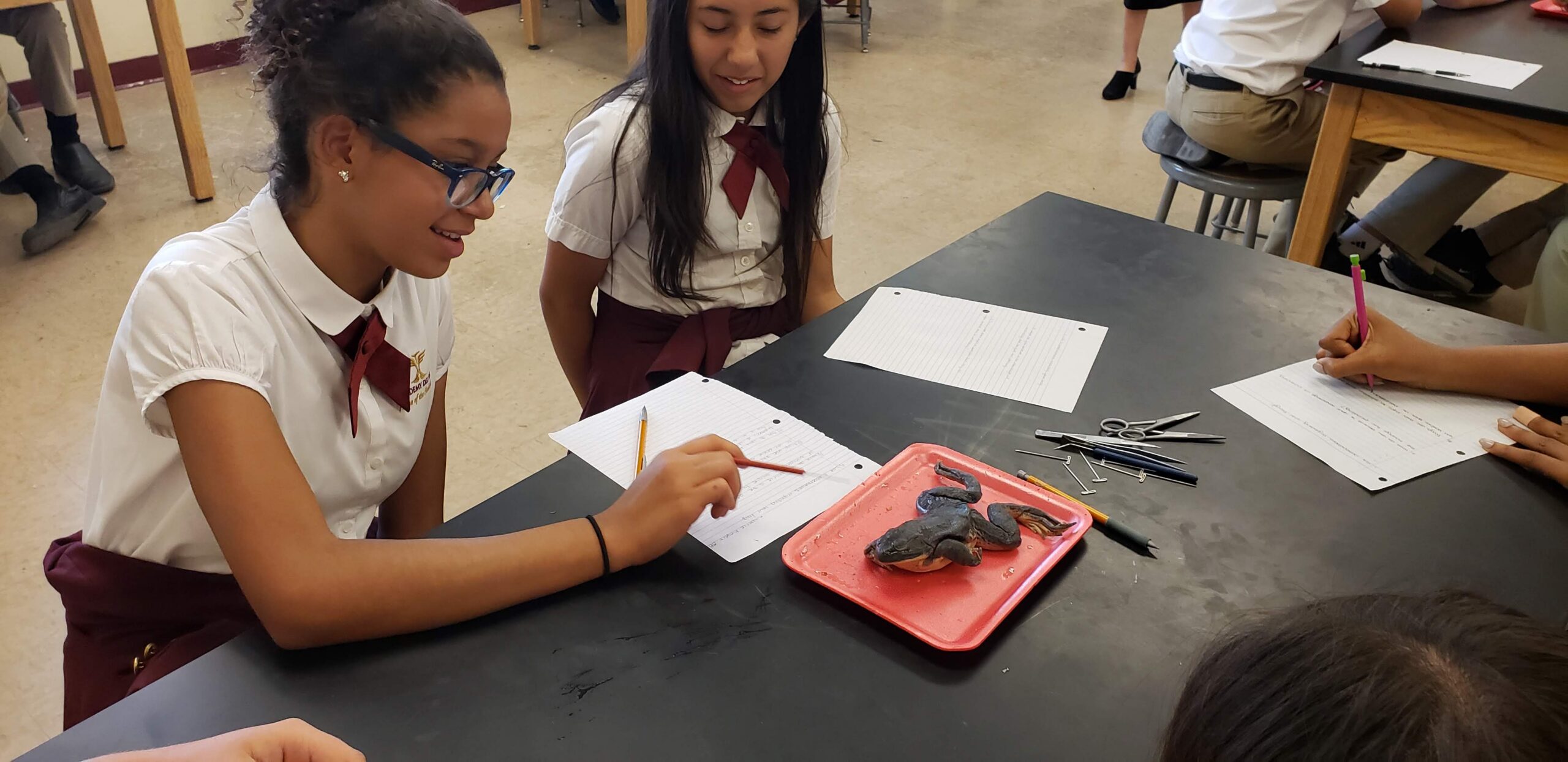
Students sketch leaves, clouds, animal anatomy — sharpening the careful observation skills that great scientists need to spot patterns and ask questions.
When kids perform scenes from a book, they’re doing deep comprehension work — analyzing motivation, understanding tone, and remembering plot in a way passive reading rarely achieves.
Acting out words — “tiptoe,” “scurry,” “lumber” — locks vocabulary into memory through physical association. Kids remember what they embody.
From multiplication chants to the 50 states set to melody, putting facts to music turns rote memorization into something kids actually want to do — and remember years later.
Sketching a scene before writing about it gives kids — especially reluctant writers — a visual anchor that makes the writing flow more naturally and vividly.
The research is clear. Decades of studies — from the Arts Education Partnership, Americans for the Arts, and the U.S. Department of Education — show that students with consistent arts education outperform their peers in literacy, math, and engagement. But more than the data, we have seen it work in our own classrooms for over 15 years. That’s why the arts are at the heart of every ADS school day.
Las Artes Son Esenciales en ADS
En Academy Del Sol, las artes — música, artes visuales, teatro y movimiento — no son extras. Son parte del día escolar de cada estudiante, en cada grado, en cada campus. Creemos que las artes hacen que los niños sean mejores lectores, mejores matemáticos, y mejores pensadores. Inscripción completamente sin costo de matrícula.
Aplica Ahora — Sin Costo de Matrícula
See the Arts In Action
The best way to understand what Fine Arts integration looks like is to visit a classroom. Schedule a tour at one of our Tucson campuses and see how the arts come alive every day at ADS.