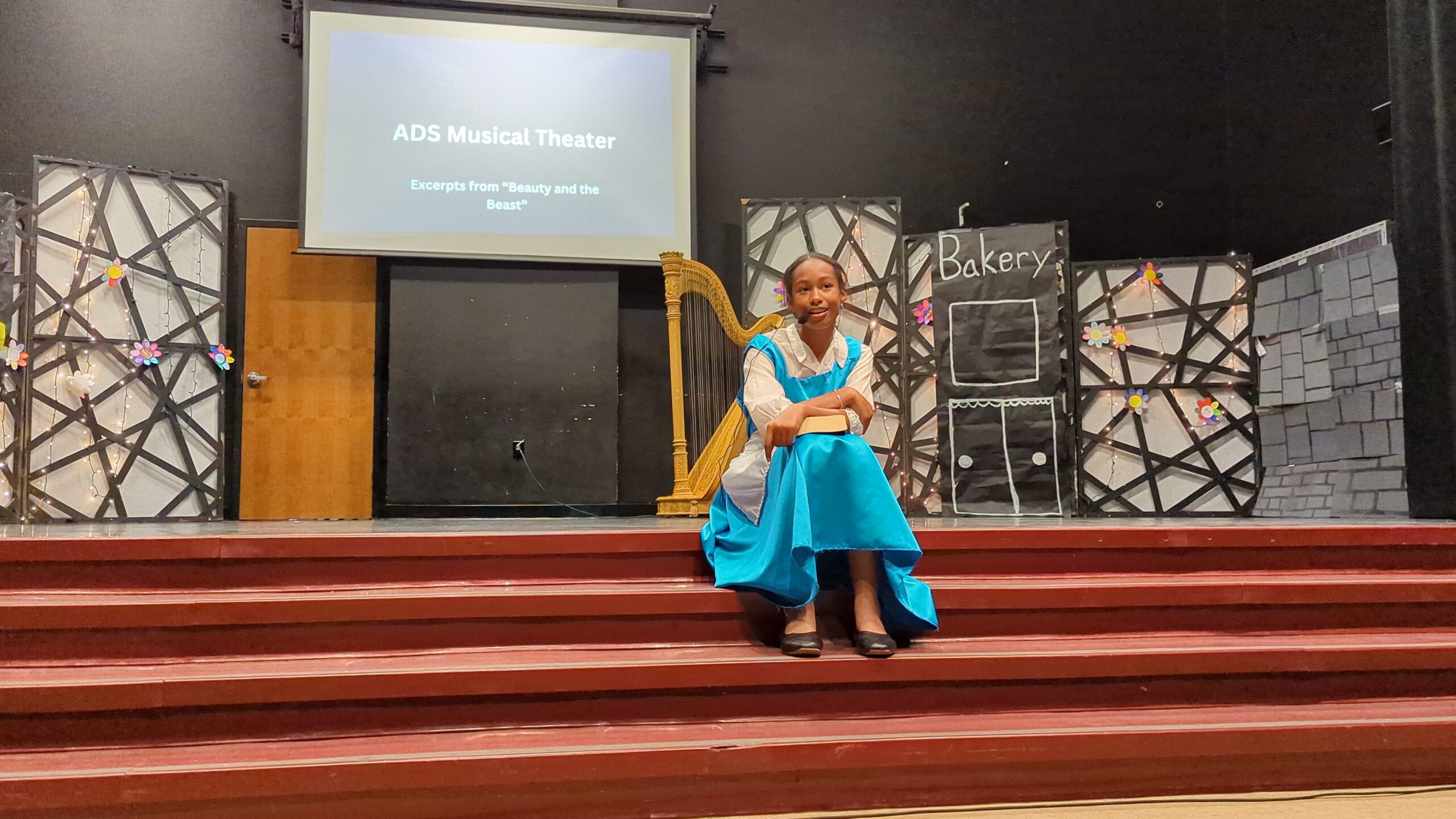
Arts integration in Tucson means teaching regular subjects through the arts, not just teaching art on its own. When students draw, act, sing, or build to learn math, reading, and science, the lessons come alive.
At Academy Del Sol, arts integration is the heart of how we teach. Here is what it looks like and why it works so well.
What Arts Integration in Tucson Is
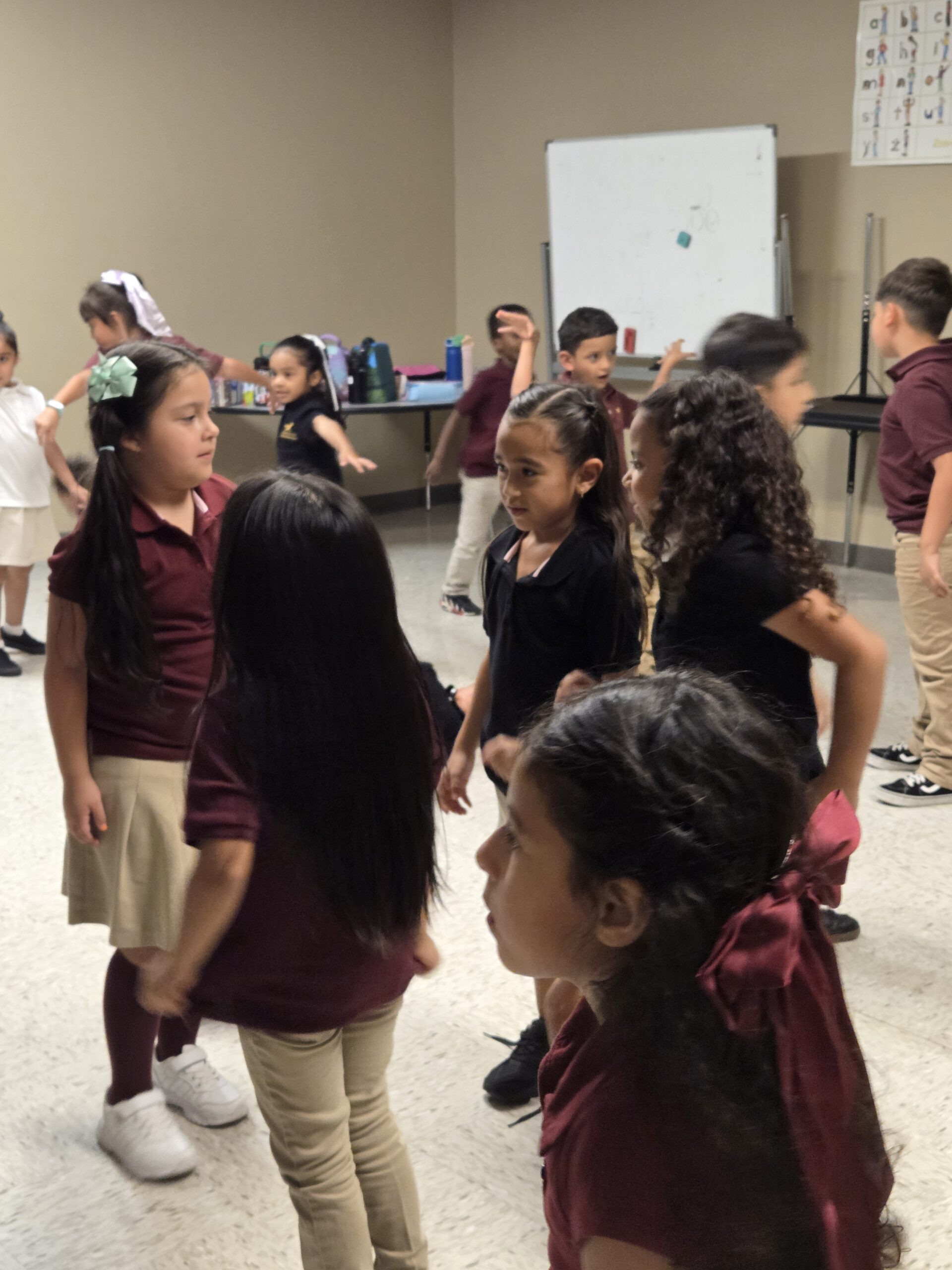
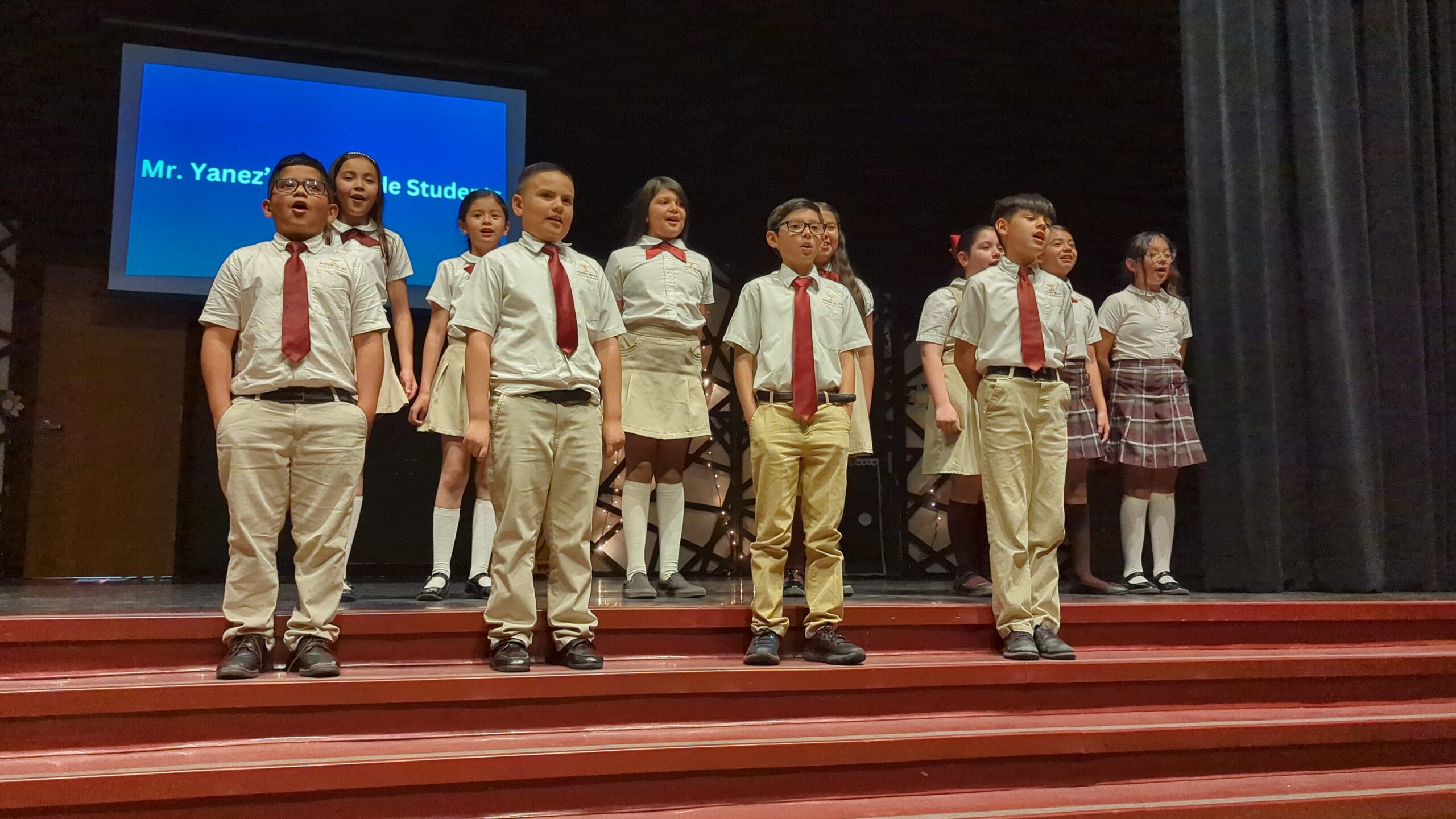
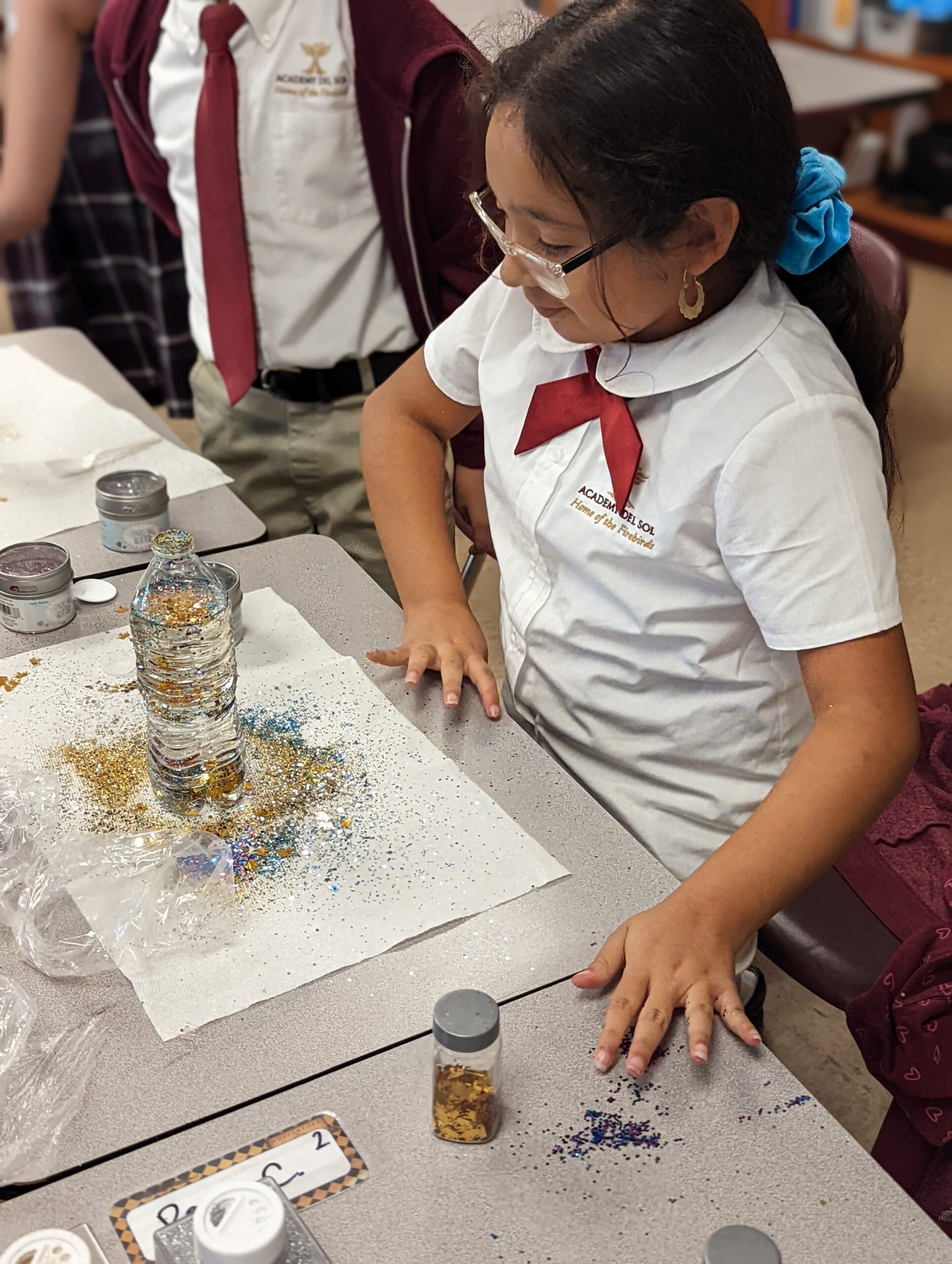
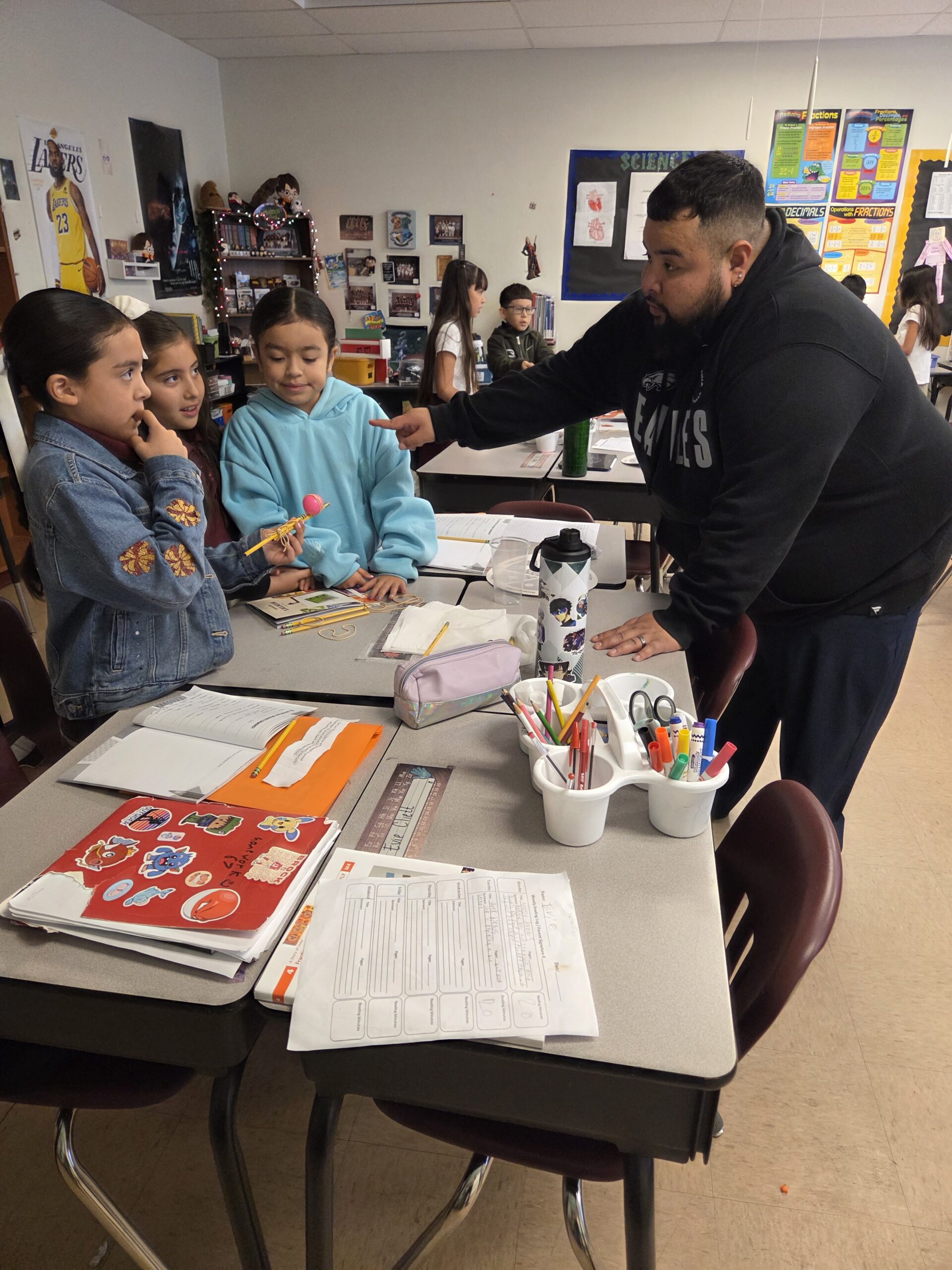
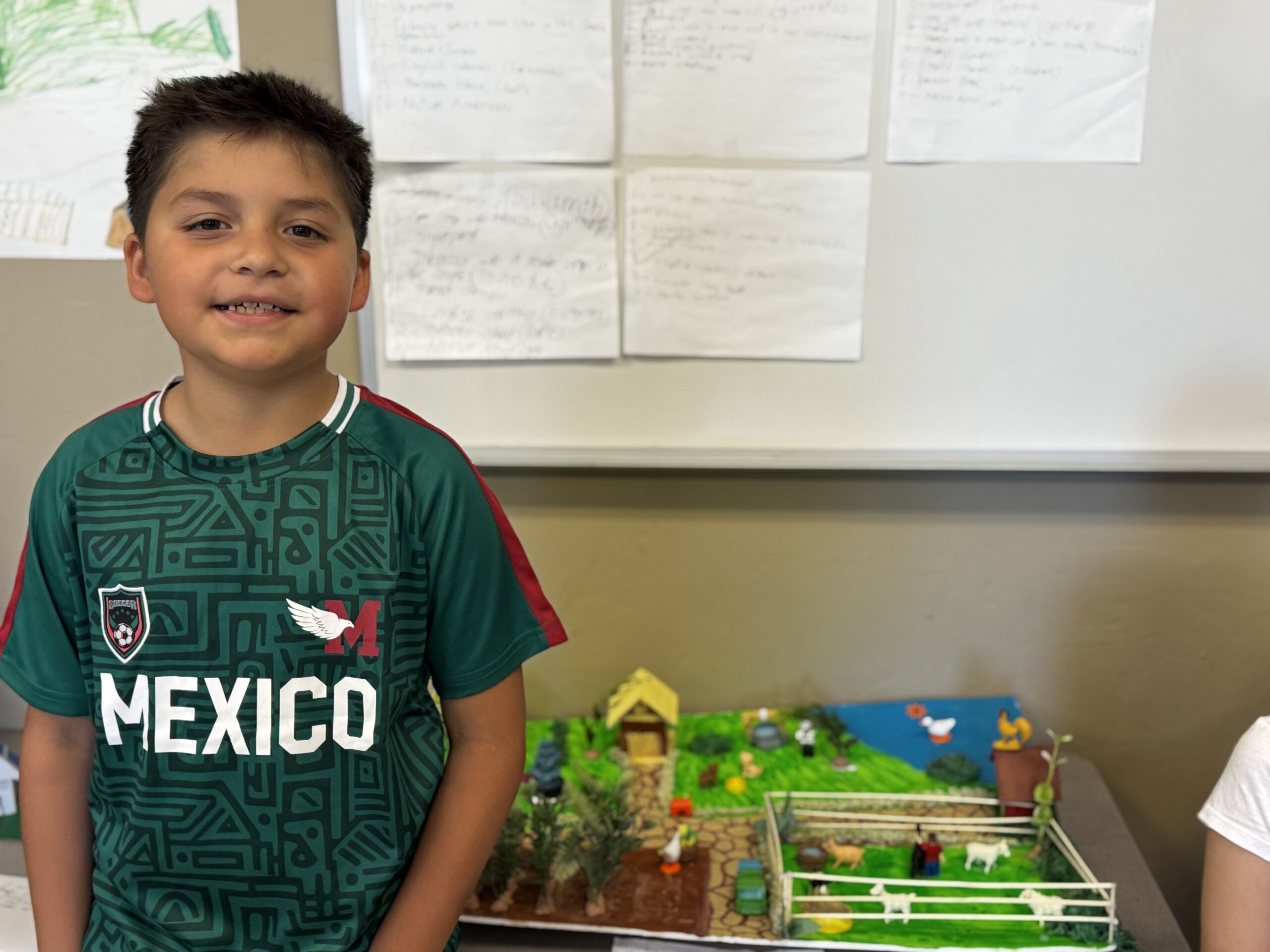
Arts integration is different from a weekly art class. It weaves creativity into everyday lessons across the day. In an arts-integrated classroom, students might:
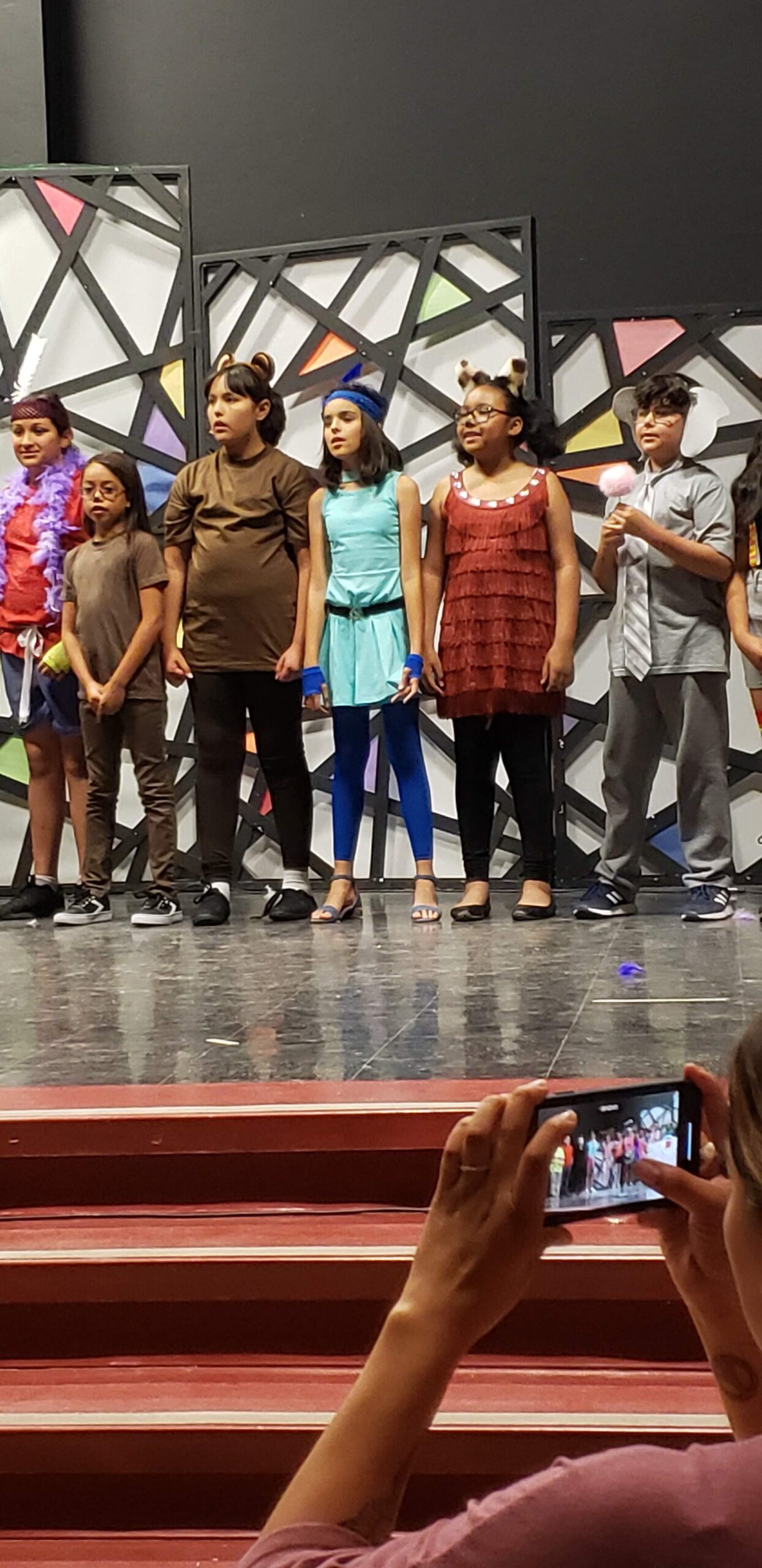
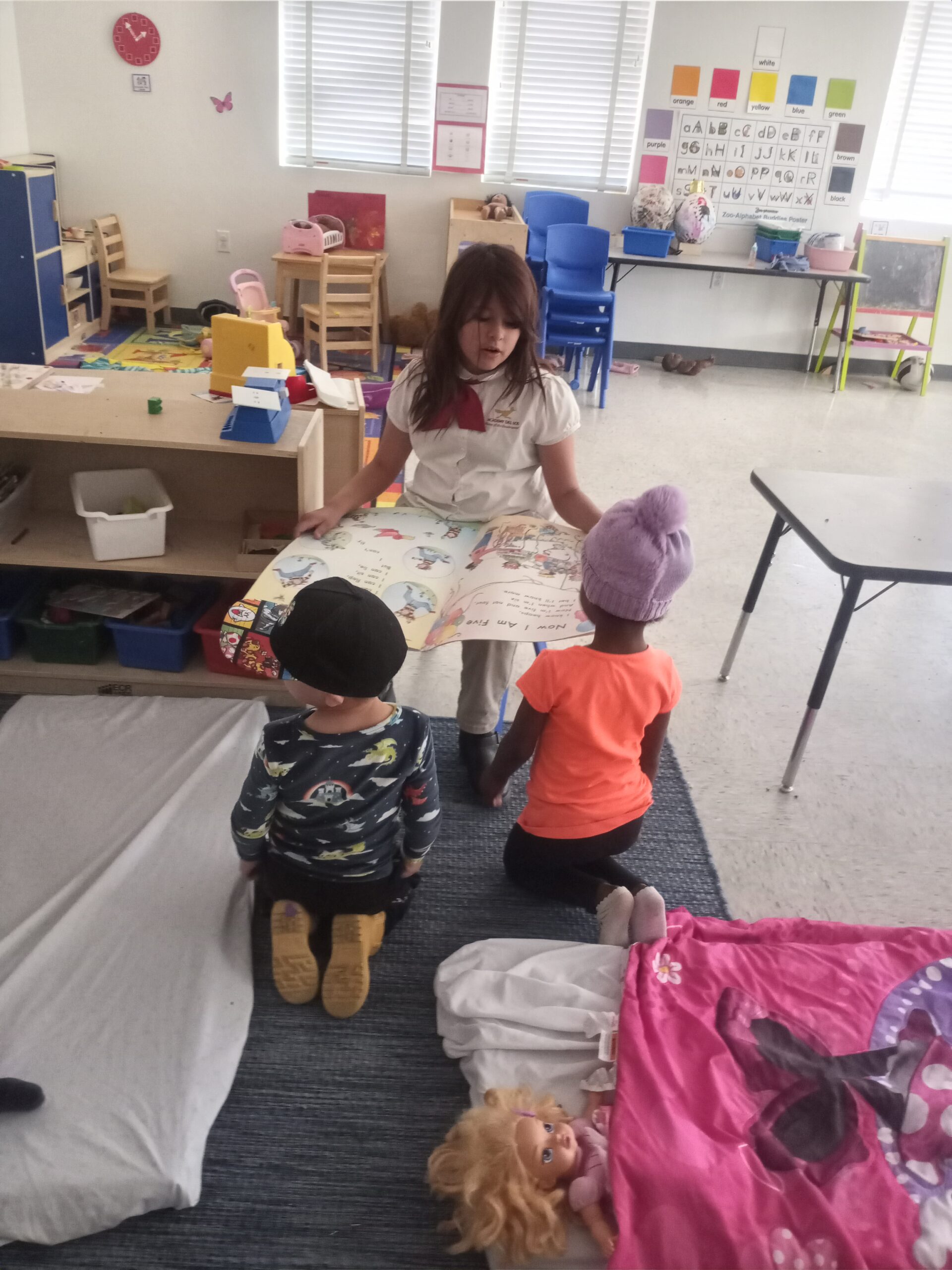
- Act out a story to understand it
- Use rhythm and song to learn math facts
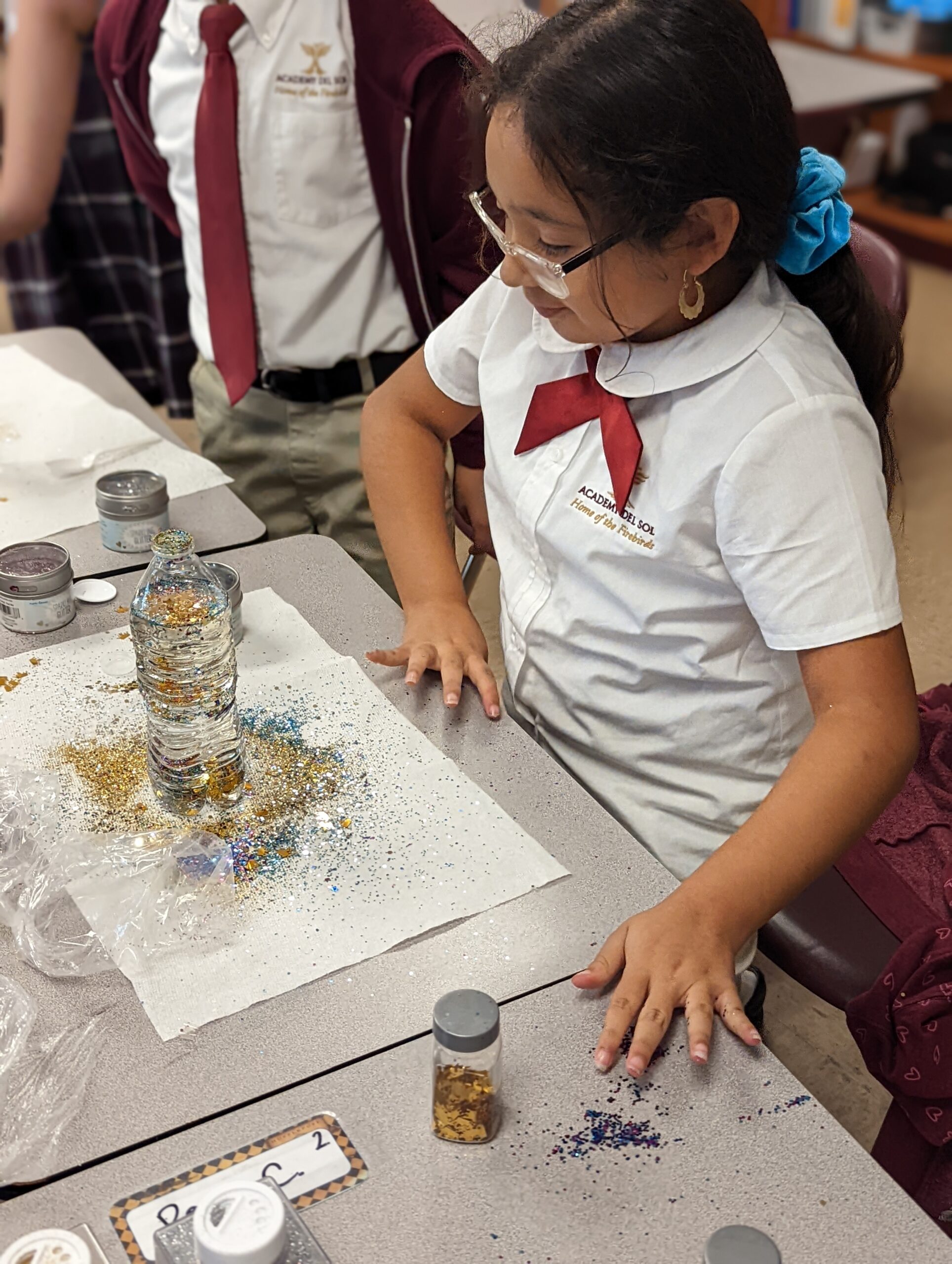
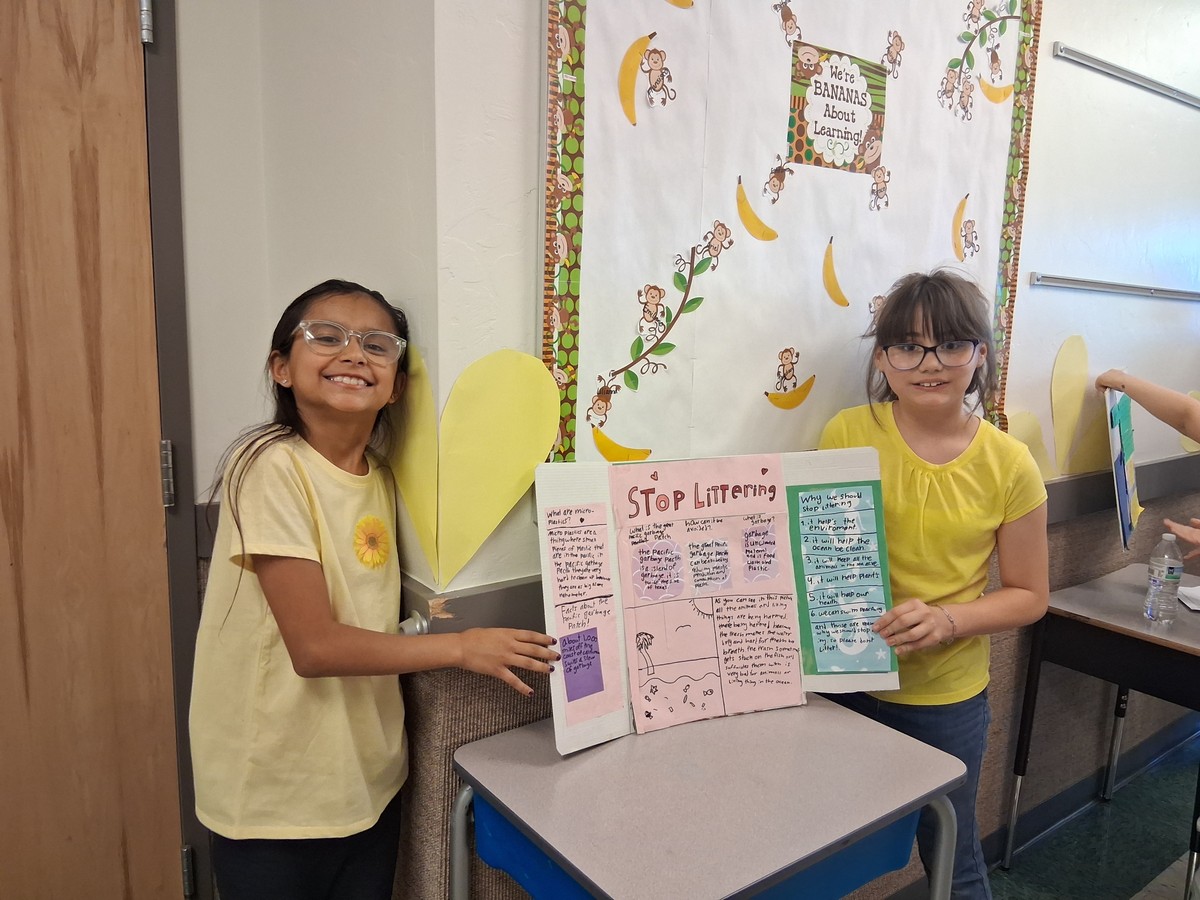
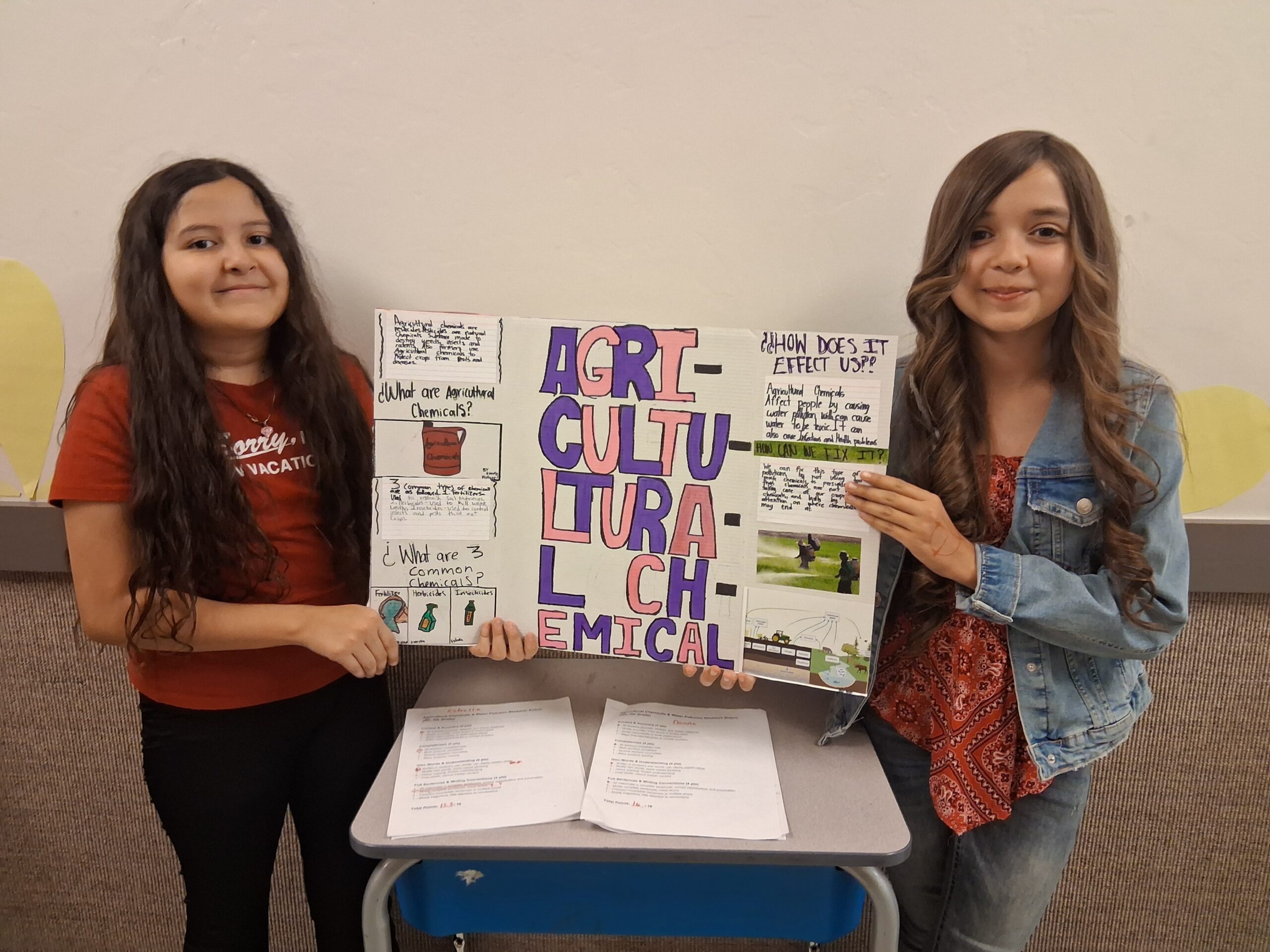
- Draw a science concept to explain it
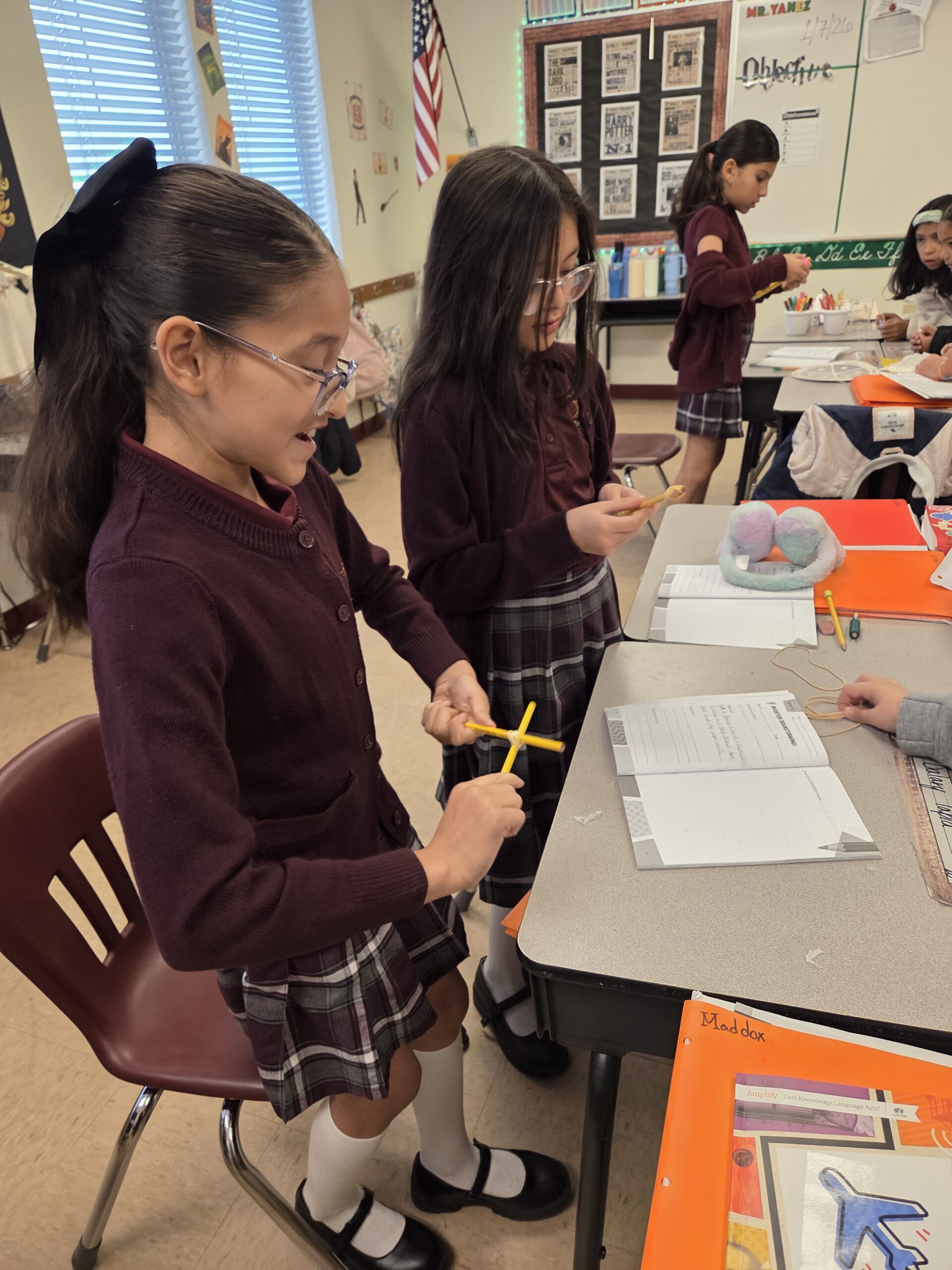
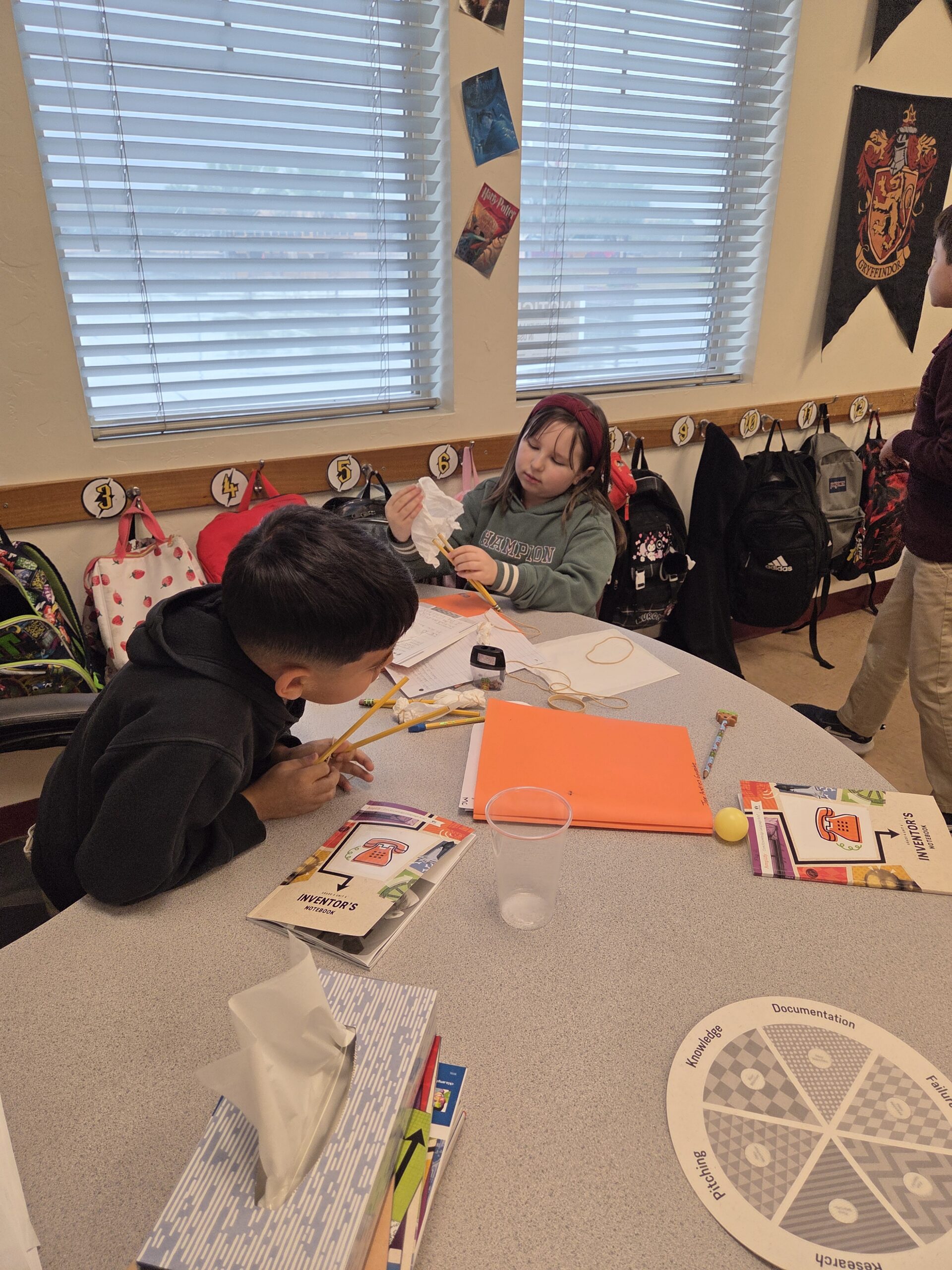
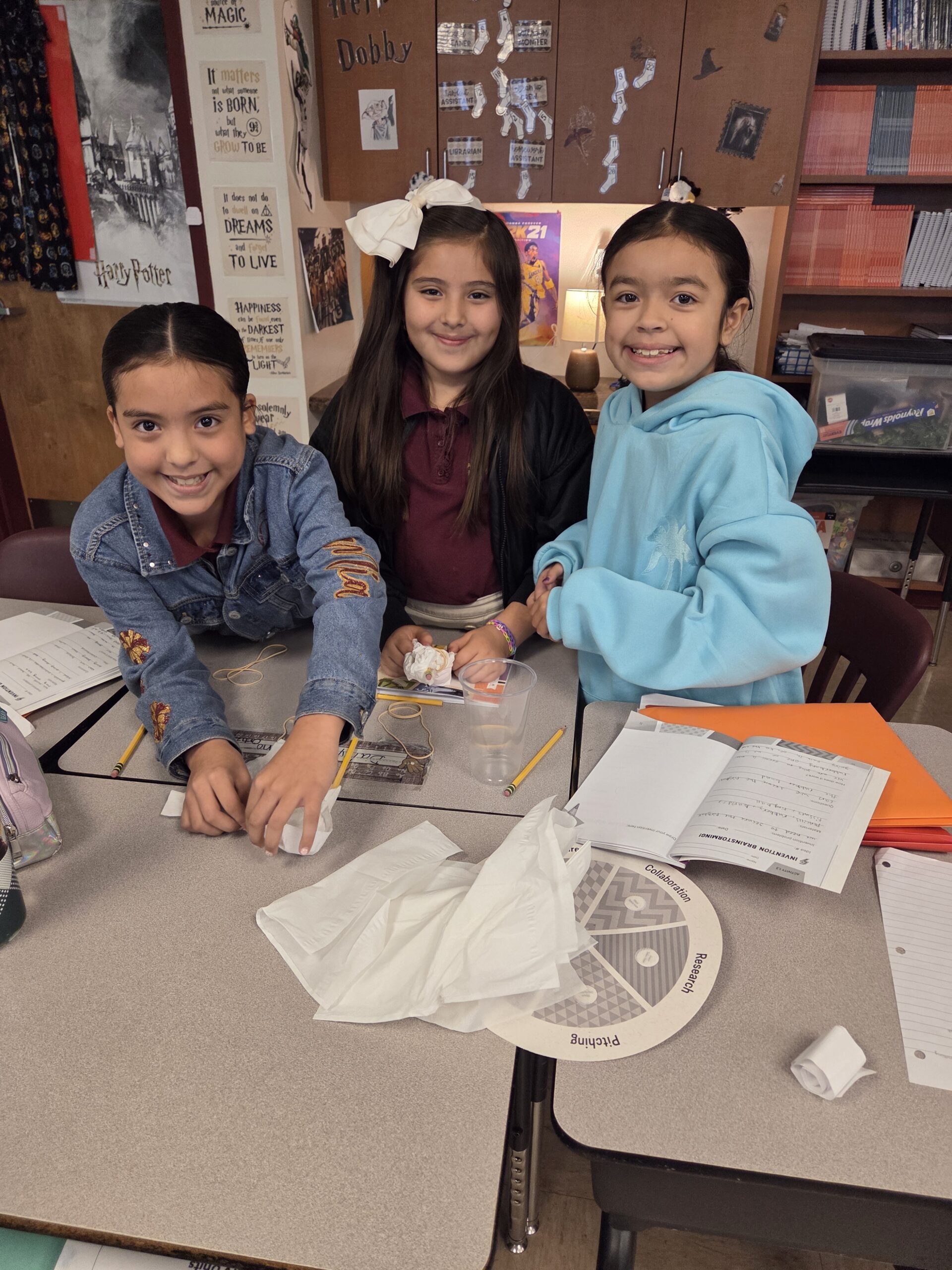
- Build a model to explore an idea
The art and the academics happen together, and each one strengthens the other.
Why Arts Integration in Tucson Works
Creativity helps learning stick. When kids use their hands, voices, and imaginations, they think more deeply and remember more. Arts integration also reaches children who struggle to sit and listen, giving them a new way in. It is the same idea behind our post on creative learning in Tucson.
More Than an Art Class
Academy Del Sol still has wonderful, dedicated arts classes, and they matter. Arts integration goes a step further by bringing that creativity into reading, math, and science too. To see the full range of our arts program, visit our Fine Arts page and read our post on arts education in Tucson.
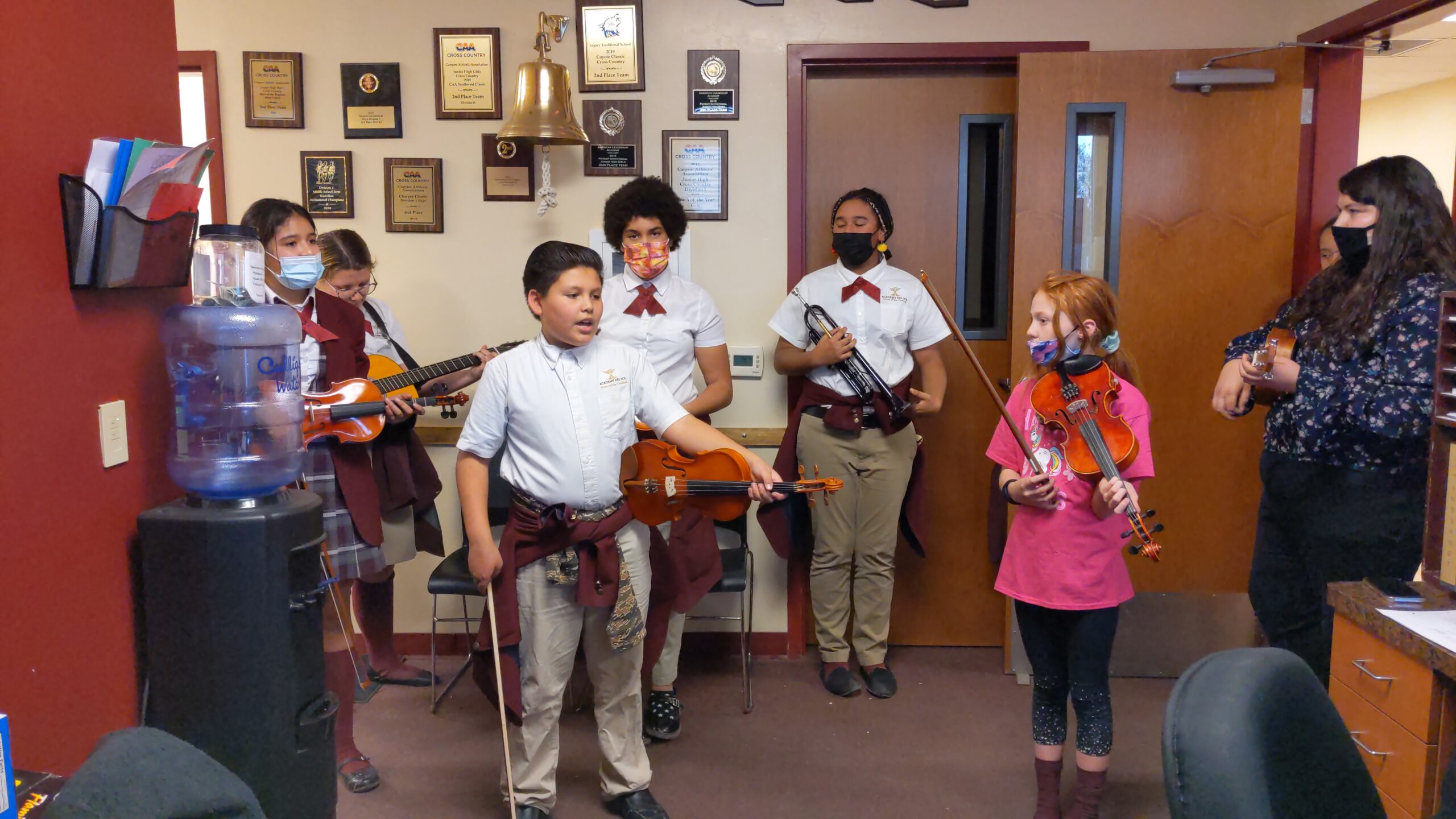
Learning Through Music
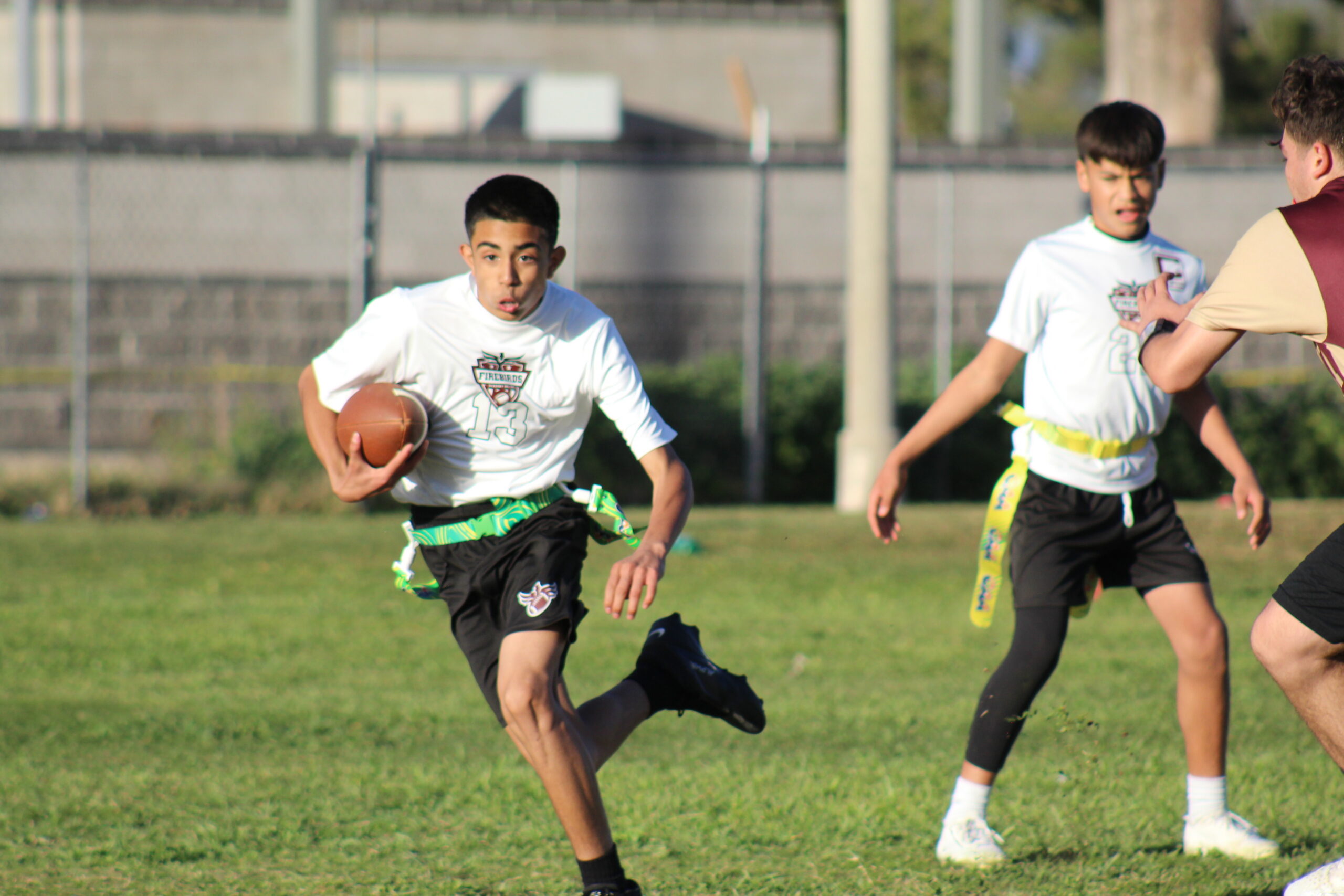
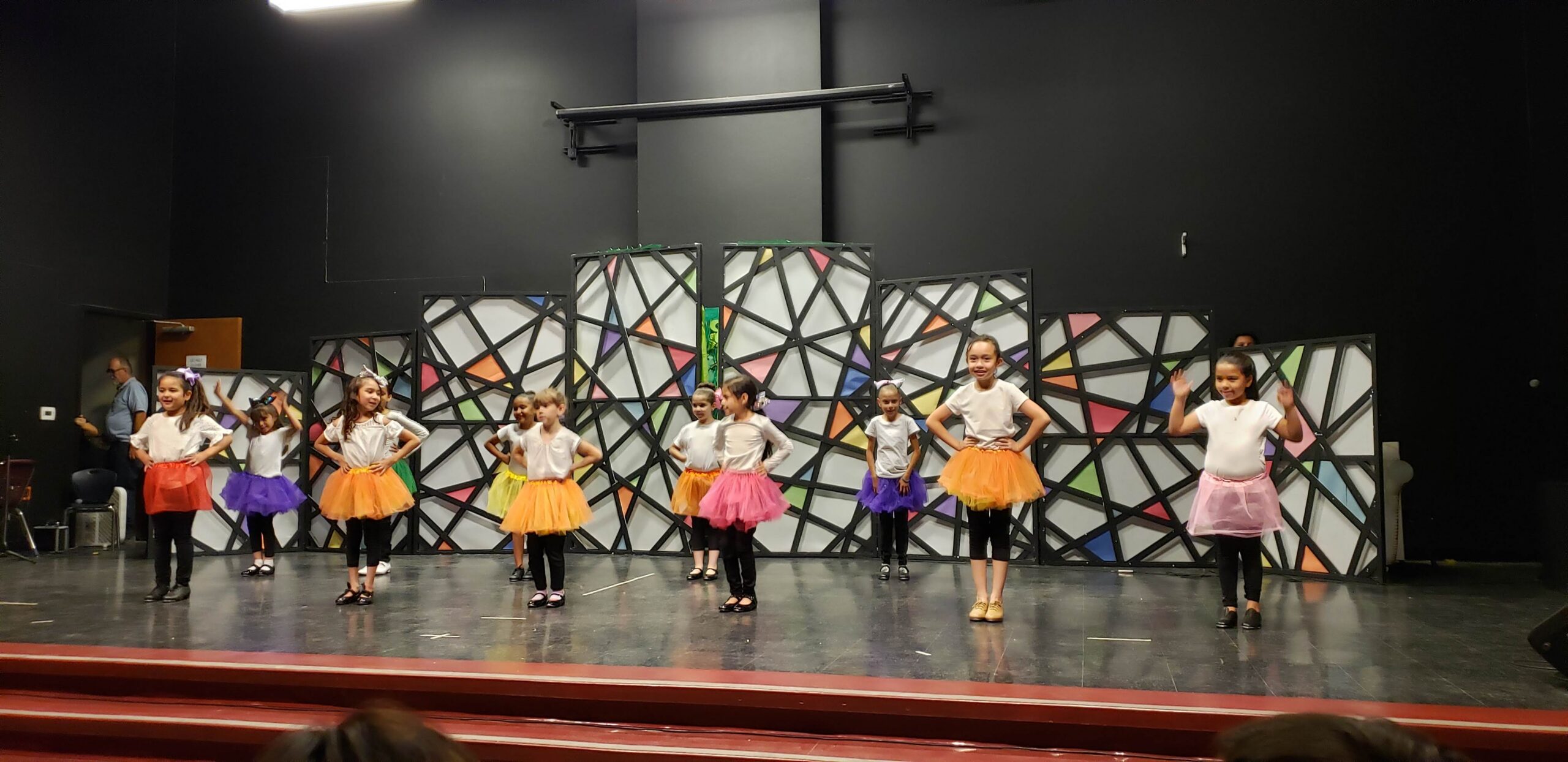
Music is a powerful learning tool. Rhythm helps kids remember patterns and facts, and songs make lessons stick. Movement and beat build focus and joy at the same time. Learn more about the role music plays in our post on music education in Tucson.
Reaching Every Kind of Learner
Children learn in many different ways. Some absorb ideas by listening, others by seeing, building, or moving. Arts integration gives every learner a path into the lesson, so more students succeed. That inclusiveness is one of its greatest strengths.
Building Confidence and Joy
When a child paints, performs, or creates, they feel proud, and that pride carries into every subject. Arts integration makes school feel joyful, not just serious. A student who loves coming to school learns more, and that joy is one of the best things a school can offer.
A Fine Arts School Through and Through
Arts integration works best when it runs through the whole school, not just one classroom. Because Academy Del Sol is a Fine Arts charter school, creativity shapes every grade from kindergarten through eighth. See how it all fits together in our post on a Fine Arts charter school in Tucson.
See It for Yourself
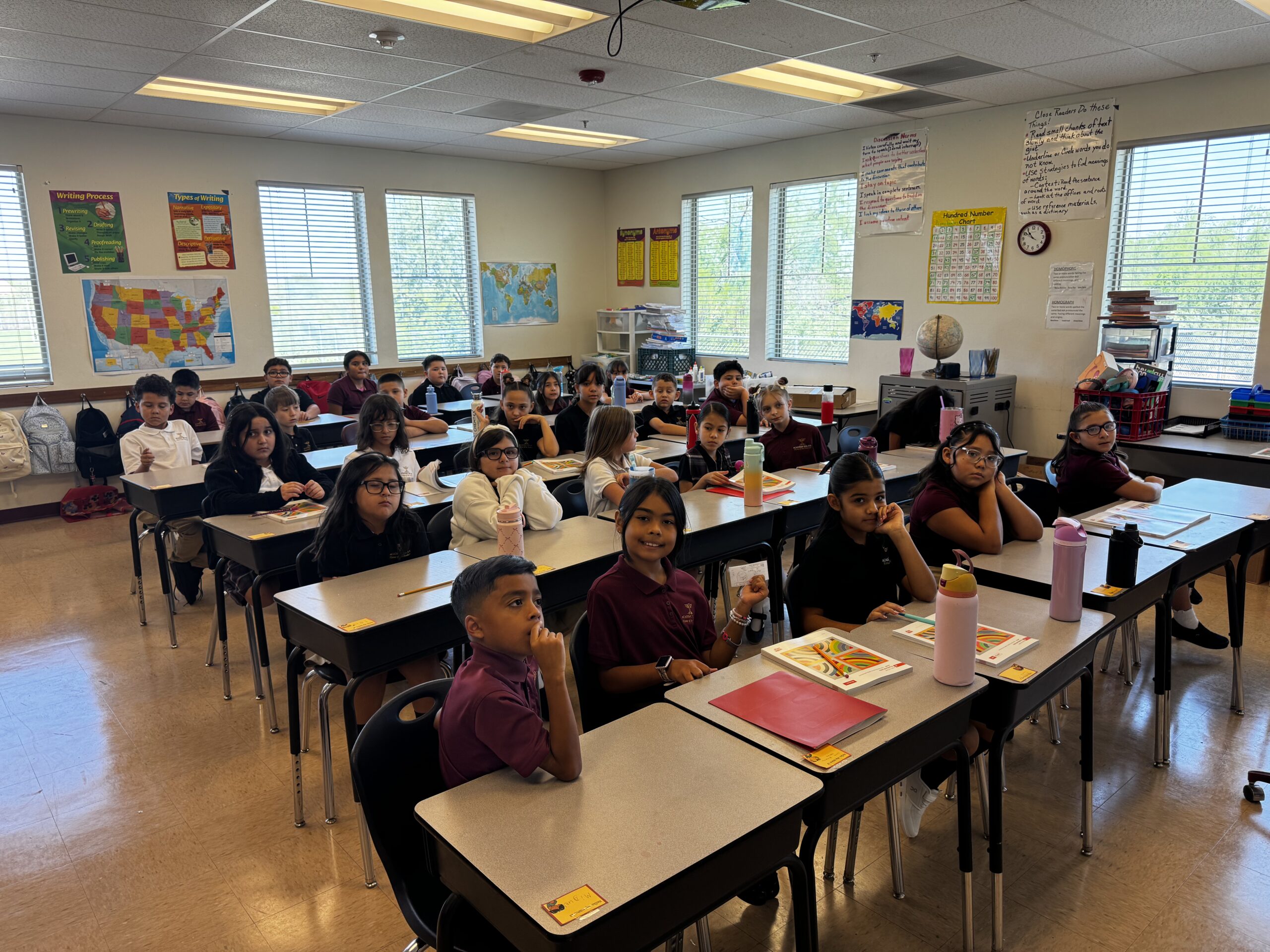
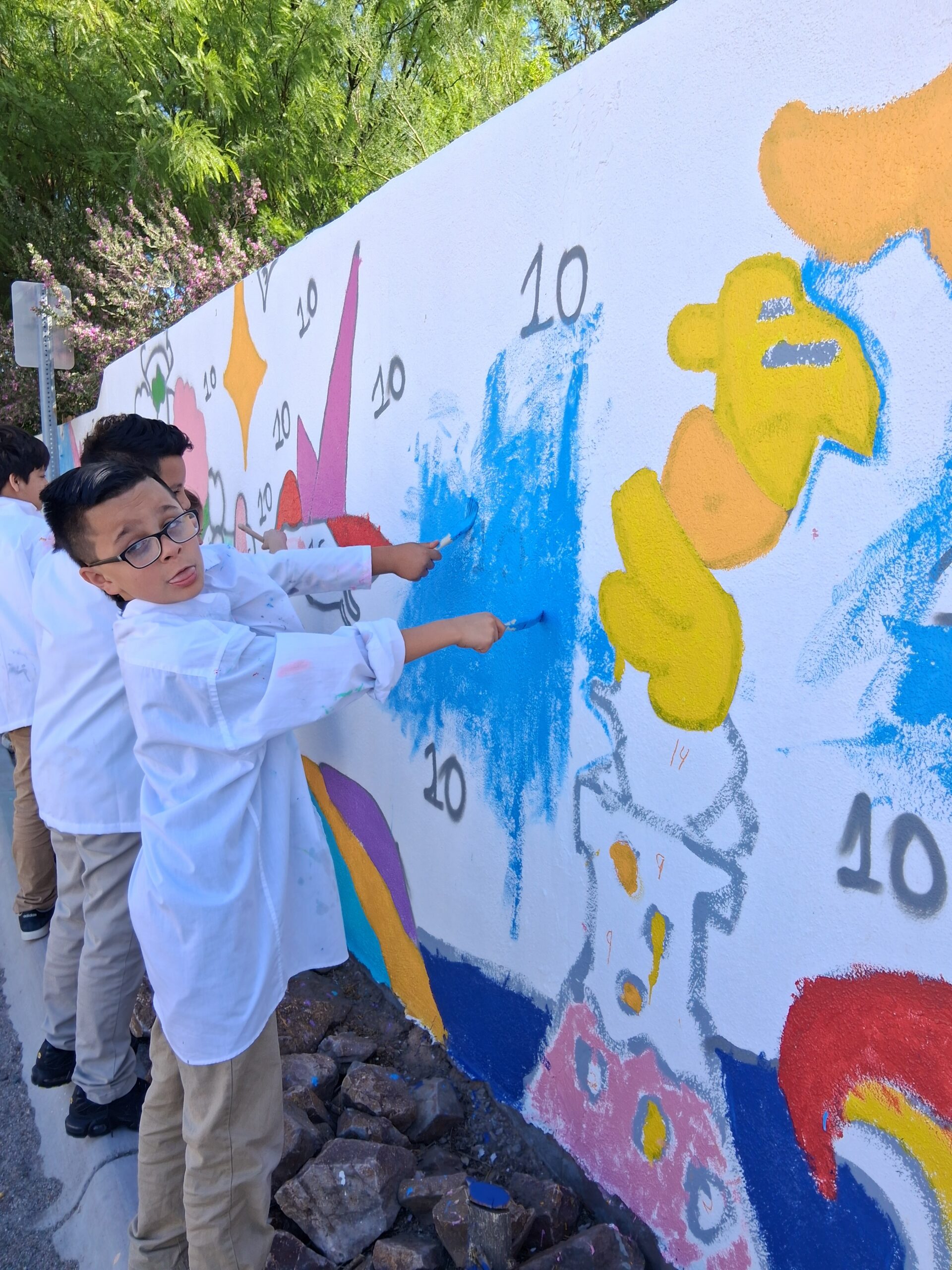
Arts integration is best understood in person. Visit a classroom and you will see students painting a lesson, acting out a story, or clapping out a math pattern. It is learning that looks and feels like joy. That is the ADS approach, woven into every day.
Arts Integration Across Every Subject
The beauty of arts integration is that it fits everywhere. A reading lesson becomes a short play, a history unit becomes a mural, and a science idea becomes a song. Because creativity can carry any subject, students stay engaged all day long. That is what makes an arts-integrated school feel so different from a typical classroom.
A Love of Learning That Lasts
When school is joyful, children want to be there, and that changes everything. Kids who connect with learning early tend to keep loving it for years. Arts integration builds that connection by making every lesson something to look forward to. It is one of the greatest gifts a school can give.
Ready to Apply for 2026-27?
If you want learning that is creative and joyful, come see Academy Del Sol. We are a tuition-free K-8 Fine Arts charter school with two Tucson campuses, now accepting applications for the 2026-27 school year.
Star Valley Campus: (520) 789-7731
Roger Road Campus: (520) 325-2800
Apply Now: academydelsol.com/contact
Learn more: academydelsol.com
Fine arts every day. One community, K through 8. This is the ADS way.