Category: Academy Del Sol

  • Red Ribbon Week: How Schools Build Healthy Habits

    Red Ribbon Week: How Schools Build Healthy Habits

    Every fall, schools across the country fill with red ribbons, crazy sock days, and spirit week fun. That is Red Ribbon Week, and it happens each year from October 23 to 31. Behind the playful dress-up days is a serious and hopeful message: helping kids make healthy, drug-free choices.

    Here is what Red Ribbon Week is, where it came from, and how families can keep its message going at home.

    The History of Red Ribbon Week

    Red Ribbon Week honors Enrique “Kiki” Camarena, a U.S. Drug Enforcement Administration agent who was killed in the line of duty in 1985. Before joining the DEA, he served in the Marines and worked as a firefighter and police officer.

    After his death, people in Calexico, California, where he grew up, began wearing red ribbons to honor him and to stand against drug use. The idea spread from community to community. Then, in 1988, the National Family Partnership organized the first national Red Ribbon Week. Today, it is one of the largest drug prevention campaigns in the country.

    The 2026 Red Ribbon Week Theme

    Each year, students help choose the theme through a national contest. The 2026 theme is “Make a Difference. Be a Hero. Stay Drug Free.” It was created by a sixth grader, which makes it a great conversation starter for kids. After all, a student their age came up with it.

    Why Red Ribbon Week Matters

    At first glance, drug prevention might seem like a topic for teenagers. However, the habits that protect kids later in life start much earlier. Specifically, Red Ribbon Week helps children practice:

    • Making healthy choices for their bodies and minds
    • Saying no with confidence
    • Talking with trusted adults about hard topics
    • Standing up for themselves and their friends

    These are life skills. Kids who practice them in elementary and middle school carry them into high school and beyond.

    How Schools Celebrate Red Ribbon Week

    Most schools mark the week with spirit days that make the message fun and memorable. For example, schools might host:

    • Wear red day to show support for a drug-free life
    • Crazy sock day with a theme like “Sock it to drugs”
    • Team jersey day for “Team drug-free”
    • Pledge walls where students sign a promise to make healthy choices

    In a K-8 school, the week has an extra benefit. Older students can lead activities and model healthy choices for younger ones. When a 5th grader sees an 8th grader take a stand, it sticks.

    Red Ribbon Week Through the Arts

    As a Fine Arts charter school, we love when healthy habits and creativity come together. Students might design posters, write songs, or create art that shares the theme in their own voice. Creating something personal helps the message feel real.

    How Families Can Support Red Ribbon Week at Home

    Red Ribbon Week lasts nine days, but its message works best all year. Here are simple ways to keep it going:

    1. Talk early and often. Short, honest conversations are more effective than one big talk.
    2. Ask about the theme. Use “Make a Difference. Be a Hero.” as a starting point. Ask your child what being a hero means to them.
    3. Practice what to say. Role-play simple ways to say no, like “No thanks, I have to get home.”
    4. Model healthy habits. Kids notice how adults handle stress, rest, and health.
    5. Stay involved. Know your child’s friends and keep the door open for questions.
    6. Encourage healthy passions. Art, music, sports, and clubs give kids confidence and a strong sense of who they are.

    Above all, let your child know they can always come to you, no matter what.

    Building Healthy Habits at Academy Del Sol

    At Academy Del Sol, we believe healthy habits and strong character grow alongside academics. Our students find their voice through art, music, and performance, and that confidence helps them make good choices. Because we serve kindergarten through 8th grade, children grow up in one supportive community, surrounded by adults who know them by name.

    Academy Del Sol has served Tucson families since 2009. We are a tuition-free K-8 Fine Arts charter school with campuses in west Tucson and central Tucson. Want more ideas for partnering with your child’s school? Read our post on parent-teacher conference questions.

    Apply Now for 2026-27

    Academy Del Sol is a tuition-free K-8 Fine Arts charter school serving Tucson families since 2009. Come see us in action.

    • Star Valley campus (Firebirds), west Tucson: 7102 W. Valley Crest Pl. | (520) 789-7731
    • Roger Road campus (Roadrunners), central Tucson: 732 W. Roger Rd. | (520) 325-2800

    Apply Now: https://academydelsol.com/contact

    Where Every Child Shines.
  • Fall Activities in Tucson: Free and Low-Cost Family Fun

    Fall Activities in Tucson: Free and Low-Cost Family Fun

    After a long, hot summer, fall in the Sonoran Desert feels like a reward. Mornings turn cool, afternoons are perfect for being outside, and the whole city seems to come alive. It is the best season for family adventures, and many of them cost little or nothing.

    Here are some of our favorite fall activities Tucson families can enjoy together this season.

    Free Fall Activities Tucson Families Love

    Tucson Meet Yourself (October 16 to 18, 2026)

    This is one of Tucson’s most beloved traditions. Tucson Meet Yourself is a free downtown festival celebrating the many cultures that make up our community, with food, music, dance, and folk art. This year, the festival also features the Smithsonian’s “Of the People” village. It is a wonderful way for kids to experience art and culture up close.

    Walk the Loop

    The Chuck Huckelberry Loop is a network of paved, shared-use paths that wind through the Tucson area along the rivers and washes. It is free, mostly flat, and great for bikes, scooters, and strollers. Pick a short stretch, pack snacks, and look for public art along the way.

    Hike Tumamoc Hill

    For families with older kids who like a challenge, Tumamoc Hill offers a steep, paved walk with big views of the city. It is free to walk. However, it is a real workout, so bring water, start early, and check the posted rules and hours before you go.

    Visit the Library

    Pima County Public Library branches host free events for kids throughout the year, from story times to craft projects. Moreover, a library card is free and opens up books, audiobooks, and more for the whole family.

    Low-Cost Fall Activities Tucson Families Enjoy

    Pick a Pumpkin

    A trip to a pumpkin patch is a classic fall outing. Marana Pumpkin Patch, just northwest of Tucson, is a local favorite with pumpkins, hay rides, and farm activities. Check current hours and ticket prices before you go.

    Chase Fall Color on Mount Lemmon

    Believe it or not, Tucson has fall color. As the season goes on, trees on Mount Lemmon turn gold, orange, and red. A scenic drive up the mountain offers cooler air, picnic spots, and short trails. Of course, pack layers, since it can be much colder at the top.

    Explore Sabino Canyon

    Sabino Canyon is a desert favorite for a reason. Families can walk paved paths and trails surrounded by saguaros and rocky canyon walls. A small day-use fee applies, so check current details before your visit.

    Fall Activities at Home

    Not every adventure needs a car ride. In fact, some of the best fall memories happen in your own backyard.

    • Desert nature walk: Collect interesting rocks, seeds, and leaves, then sketch them at home.
    • Backyard stargazing: Cooler, clear nights are perfect for spotting stars and planets.
    • Family art night: Paint small pumpkins, make leaf rubbings, or create a fall collage.
    • Cook together: Try a family recipe and let kids read the steps aloud.

    These simple activities build creativity, curiosity, and connection, the same things our students practice at school every day.

    Tips for Fall Outings With Kids

    Tucson’s fall weather is lovely, but the sun is still strong. So bring water, sunscreen, and hats on every outing. In addition, plan outdoor adventures for the morning or late afternoon, and keep a light jacket in the car for cool evenings.

    Looking Ahead: Día de los Muertos and All Souls

    As October ends, Tucson prepares for one of its most meaningful traditions. The All Souls Procession, held each November, is a free public event that honors loved ones who have passed. It draws people of all ages downtown. Families can also enjoy community workshops and the gentle Procession of Little Angels. Check the official schedule for 2026 dates.

    Celebrating Tucson at Academy Del Sol

    At Academy Del Sol, Tucson identity is part of who we are. Our students learn about the art, music, and cultures of this community, and we love seeing families explore it together.

    Academy Del Sol has served Tucson families since 2009. We are a tuition-free K-8 Fine Arts charter school with campuses in west Tucson and central Tucson. If you are exploring schools this fall, we would love to meet your family.

    Apply Now for 2026-27

    Academy Del Sol is a tuition-free K-8 Fine Arts charter school serving Tucson families since 2009. Come see us in action.

    • Star Valley campus (Firebirds), west Tucson: 7102 W. Valley Crest Pl. | (520) 789-7731
    • Roger Road campus (Roadrunners), central Tucson: 732 W. Roger Rd. | (520) 325-2800

    Apply Now: https://academydelsol.com/contact

    Bright Minds. Brighter Futures.

  • Arts and Academic Achievement: How the Arts Support Math and Reading

    Arts and Academic Achievement: How the Arts Support Math and Reading

    Parents often hear that art and music are “good for the brain.” But what does that really mean? And what does the research actually say about the arts and academic achievement? The honest answer is encouraging, even if it is a little more nuanced than a headline.

    In this post, we share what studies show, in plain language, and how art and music connect to the reading and math skills children use every day.

    What Research Says About the Arts and Academic Achievement

    One of the strongest studies on arts education comes from Houston. Researchers followed more than 10,000 students across 42 schools in a randomized study of the city’s Arts Access Initiative. Students at schools that received more arts learning experiences saw real benefits.

    Specifically, the study found:

    • Fewer discipline problems at school
    • Stronger writing scores
    • More compassion for others
    • Higher engagement and college aspirations among elementary students

    Notably, the Houston study did not find measurable changes in math, reading, or science test scores during the two years it tracked. That matters. Arts education is not a shortcut to higher test scores. Instead, its biggest effects show up in engagement, behavior, and the habits that help kids learn.

    Other research, including a report from the National Endowment for the Arts, has found that students with more arts involvement tend to have stronger academic outcomes. However, those studies show a connection rather than proof of cause, so we share them with care.

    How the Arts Build Skills for Reading

    Even when test scores are not the direct target, the arts practice many of the same skills reading requires. For example:

    • Listening closely: Music trains children to hear small differences in sound, like the sounds inside words.
    • Rhythm and rhyme: Songs and chants help young readers break words into syllables.
    • Storytelling: Drama asks students to understand characters, feelings, and plot.
    • Vocabulary: Talking about art gives children new words to describe what they see and feel.

    In addition, writing and art often go hand in hand. When students sketch before they write, they often have more ideas to put on the page.

    How the Arts Connect to Math

    Math and the arts share more than you might think. Consequently, art and music can make abstract ideas feel concrete.

    • Patterns: Beats, dance steps, and designs are all patterns.
    • Fractions: Musical notes split a beat into halves and quarters.
    • Shapes and space: Drawing and sculpture build geometry skills and spatial thinking.
    • Measurement: Building a set or framing a painting takes careful measuring.

    These connections do not replace math instruction. Rather, they give students another way in, especially children who learn best with their hands or ears.

    Engagement Is the Hidden Benefit

    Here is what the Houston findings suggest most clearly: when school includes the arts, students are more engaged. Engaged students come to school ready to learn, stay focused longer, and are more willing to try hard things.

    That is a big reason why arts integration works. It gives every child a reason to lean in.

    Arts and Academic Achievement at Academy Del Sol

    At Academy Del Sol, the arts are woven into academics, not bolted on. As a tuition-free K-8 Fine Arts charter school, we bring art, music, and performance into daily learning. A math lesson might include rhythm. A reading lesson might end with students acting out the story.

    Because we serve kindergarten through 8th grade, students build these skills year after year. By middle school, they are confident creators, presenters, and performers.

    To learn more, read our posts on the benefits of fine arts education and music education for kids.

    Try It at Home

    You can bring these connections home, too. Clap out the syllables in your child’s name. Make patterns with beads or blocks. Ask your child to draw a picture of a story, then tell it back to you. Small moments like these build skills and make learning fun.

    The Bottom Line for Parents

    The research is clear on one point: the arts help children become more engaged, more expressive, and more empathetic learners. Those qualities support growth in every subject. If you are looking for a school where your child can grow in both academics and creativity, we would love to show you what that looks like at ADS.

    Apply Now for 2026-27

    Academy Del Sol is a tuition-free K-8 Fine Arts charter school serving Tucson families since 2009. Come see us in action.

    • Star Valley campus (Firebirds), west Tucson: 7102 W. Valley Crest Pl. | (520) 789-7731
    • Roger Road campus (Roadrunners), central Tucson: 732 W. Roger Rd. | (520) 325-2800

    Apply Now: https://academydelsol.com/contact

    Where Every Child Shines.
  • Middle School Open House Questions Every Parent Should Ask

    Middle School Open House Questions Every Parent Should Ask

    Middle school is a big step. Your child is growing more independent, schoolwork gets harder, and friendships start to matter in new ways. As a result, choosing the right middle school can feel like a high-stakes decision. The right middle school open house questions help you see past the welcome table and understand what daily life will really look like.

    Here is a simple list to bring with you, organized by topic.

    Start with the basics. Specifically, you want to know how the school will challenge your child and support them when things get hard.

    • How do you help students who fall behind in math or reading?
    • How do you challenge students who are ready for more?
    • How much homework should we expect each night?
    • How do teachers communicate grades and progress with families?
    • How do you prepare 8th graders for high school?

    Listen for specific answers. For example, “We have small group support twice a week” tells you more than “We support every learner.”

    Middle schoolers need ways to discover what they love. Therefore, ask what happens beyond the core subjects.

    • Do students take art, music, or performance classes every year?
    • Are the arts part of academic classes, or only separate electives?
    • How often do students perform or show their work?

    At Academy Del Sol, fine arts are not an extra. As a K-8 Fine Arts charter school, we weave art, music, and performance into daily learning. By middle school, students have years of practice creating, presenting, and performing, which builds real confidence.

    This is an area many parents forget to ask about. However, it can shape your child’s experience more than almost anything else.

    • What leadership roles are open to middle schoolers?
    • Do older students mentor younger students?
    • Are there student clubs, teams, or councils?

    Here is where a K-8 school has a unique advantage. At ADS, 7th and 8th graders are the oldest students on campus. They serve as captains, role models, and the big buddies younger kids look up to. Instead of starting over as the youngest in a new building, our middle schoolers get to lead.

    Middle school brings new feelings and new friendships. Naturally, you want to know how the school helps students navigate them.

    • How do you handle conflicts between students?
    • Is there a counselor or trusted adult students can talk to?
    • How do you help new students make friends?
    • How do you keep the campus safe and welcoming?

    Pay attention to how staff talk about students. Warm, specific answers are a good sign.

    Sports and activities help students build friendships and school pride. So ask:

    • What sports teams are available for middle schoolers?
    • Are there after-school clubs or activities?
    • How do students balance activities with schoolwork?

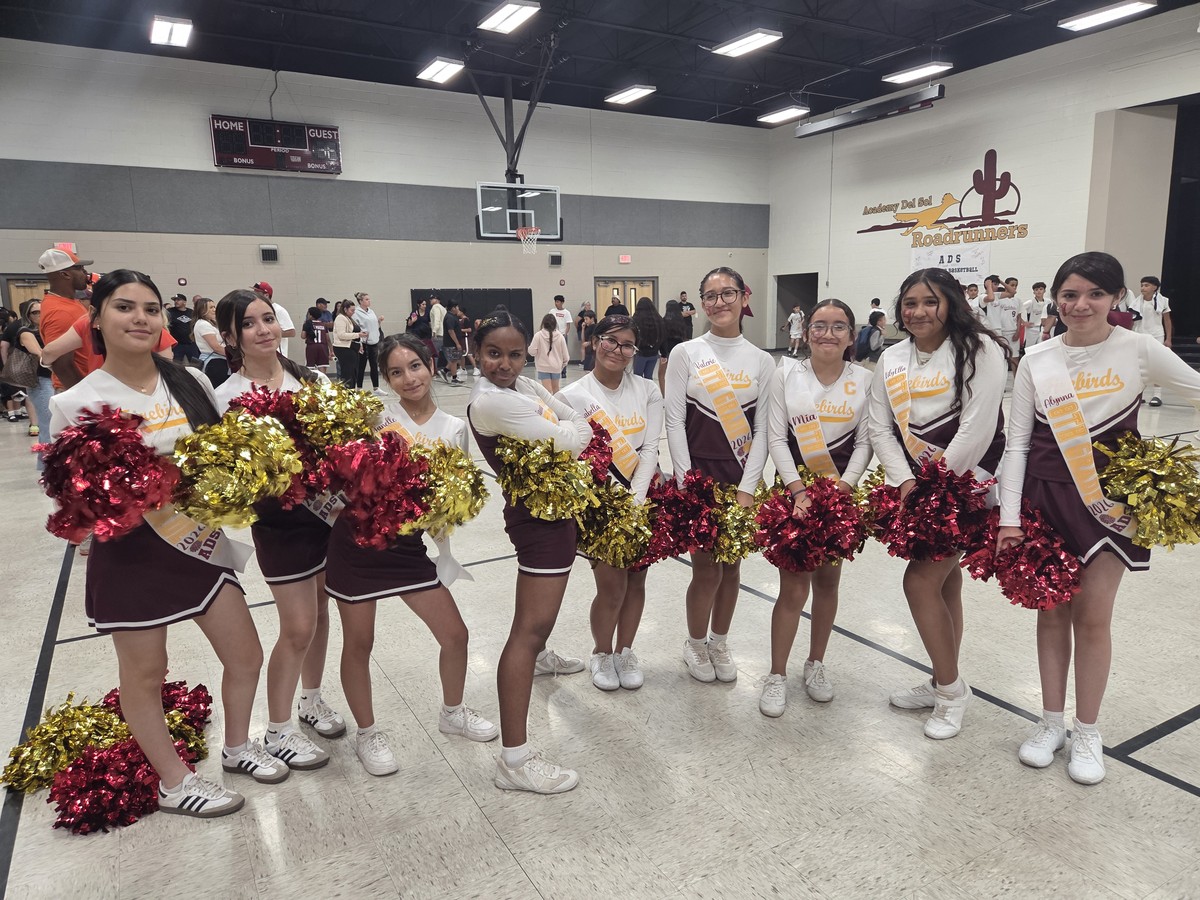
    ADS middle schoolers compete as Firebirds at Star Valley and Roadrunners at Roger Road. You can learn more on our athletics page.

    Before you go, write your top three questions on your phone so you do not forget them. While you are there, visit classrooms if you can, not just the main office. Finally, talk with a current parent or student if the school offers the chance. Their answers are often the most honest.

    Finally, take a few minutes on the drive home to reflect:

    1. Could I picture my child here every day?
    2. Did students seem engaged and comfortable?
    3. Did staff answer my questions clearly?
    4. Does this school fit what matters most to our family?

    Then, ask your child what they thought. Their first impression matters.

    A K-8 school keeps students in one community from kindergarten through 8th grade. Consequently, teachers know students well, families stay connected, and older students grow into leaders. For a closer look, read our post on K-8 middle school in Tucson.

    Academy Del Sol has served Tucson families since 2009. We are a tuition-free K-8 Fine Arts charter with campuses in west Tucson and central Tucson. Our post on preparing for high school also shows how we help 8th graders get ready for the next step.

    Academy Del Sol is a tuition-free K-8 Fine Arts charter school serving Tucson families since 2009. Come see us in action.

    • Star Valley campus (Firebirds), west Tucson: 7102 W. Valley Crest Pl. | (520) 789-7731
    • Roger Road campus (Roadrunners), central Tucson: 732 W. Roger Rd. | (520) 325-2800

    Apply Now: https://academydelsol.com/contact