Category: Parents

  • Tucson Museums for Kids: A Family Guide to Art, Science, and Culture

    Tucson Museums for Kids: A Family Guide to Art, Science, and Culture

    3-minute read · For Tucson families

    The short answer

    Tucson museums for kids include art, science, history, and nature spots that make learning feel like an adventure. Families enjoy places like the Tucson Museum of Art, Children’s Museum Tucson, Flandrau Science Center, the Arizona State Museum, and the Arizona-Sonora Desert Museum. Check each website for current hours and admission.

    Museums turn curiosity into adventure. Kids can stand in front of a painting, look through a telescope, or see objects people made hundreds of years ago. Lucky for us, Tucson has plenty of options.

    Here is a family guide to Tucson museums for kids, plus tips to make every visit a success.

    Art Museums

    Tucson Museum of Art. Located downtown, the museum features art from the Americas, including Latin American and Western art. Kids can look for colors, shapes, and stories in each piece.

    The Mini Time Machine Museum of Miniatures. Tiny houses and detailed scenes fascinate kids of all ages. It is a great place to practice looking closely.

    Science and Discovery

    Children’s Museum Tucson. Hands-on exhibits are designed for young kids to touch, build, and play.

    Flandrau Science Center and Planetarium. Located at the University of Arizona, it offers science exhibits and planetarium shows about space and the night sky.

    Pima Air and Space Museum. Aviation fans can see a large collection of aircraft and learn how flight works.

    History, Culture, and Nature

    Arizona State Museum. Also at the University of Arizona, it focuses on the cultures and history of the Southwest, including Native peoples of the region.

    Arizona-Sonora Desert Museum. Part zoo, part garden, part museum, it is a wonderful way to meet the plants and animals of the Sonoran Desert.

    Hours, admission, and special family days change, so check each museum’s website before you go.

    Tips for Visiting Tucson Museums for Kids

    • Keep it short. An hour of focused fun beats a long, tired visit.
    • Pick a focus. Choose one gallery or exhibit instead of trying to see everything.
    • Play “I spy.” Look for colors, animals, or shapes in the art.
    • Let kids lead. Follow their curiosity, even if it means visiting one room twice.
    • Ask open questions. “What do you think is happening here?” or “How do you think they made this?”

    Try this: Bring a small sketchbook. Let your child draw one favorite piece or object. Back home, it becomes a souvenir and a story to share.

    Extend the Learning at Home

    After your visit, keep the conversation going. Check out library books about an artist, a planet, or a desert animal you saw. Try making art inspired by a favorite piece. Kids remember more when they create something connected to what they saw.

    Museums and a Fine Arts Education

    At Academy Del Sol, students study art, music, and culture as part of everyday learning. Museum visits help families connect what kids learn at school with the wider world. Read more about why field trips matter, why arts education matters, and how drawing helps kids learn.

    Frequently Asked Questions

    What are the best museums for kids in Tucson?

    Popular choices include Children’s Museum Tucson, the Tucson Museum of Art, Flandrau Science Center and Planetarium, the Arizona State Museum, Pima Air and Space Museum, and the Arizona-Sonora Desert Museum.

    How long should a museum visit with kids last?

    For younger kids, about an hour is often perfect. Focus on one area and leave while everyone is still having fun.

    How can I make museum visits more fun for kids?

    Play I spy, let kids lead, ask open-ended questions, and bring a sketchbook so they can draw a favorite piece.

    A School Where Art and Culture Come Alive

    Academy Del Sol is a tuition-free K-8 Fine Arts charter school serving Tucson families since 2009. Students explore art, music, and performance every week. Reach out to schedule a tour, and bring your questions.

    • Star Valley Campus (K-8, Firebirds): 7102 W. Valley Crest Pl., Tucson, AZ | (520) 789-7731
    • Roger Road Campus (K-8, Roadrunners): 732 W. Roger Rd., Tucson, AZ | (520) 325-2800

    Apply Now | Learn more: academydelsol.com | Hablamos español.

    Curious minds, creative hearts.
  • Healthy Lunchbox Ideas for Kids: Easy, Kid-Approved School Lunches

    Healthy Lunchbox Ideas for Kids: Easy, Kid-Approved School Lunches

    3-minute read · For Tucson families

    The short answer

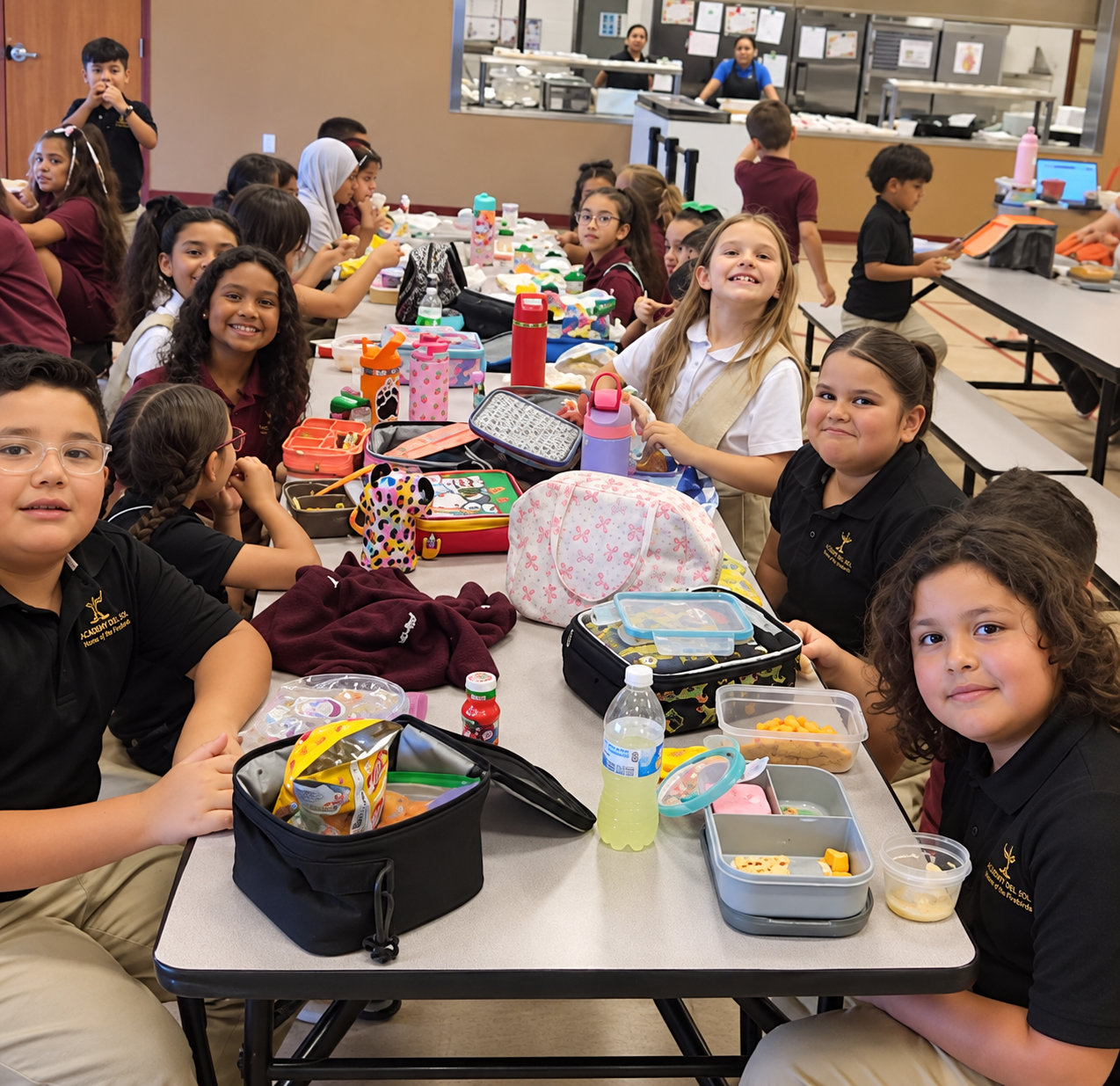
    Healthy lunchbox ideas for kids start with a simple formula: one protein, one whole grain, one fruit, one vegetable, and water. Let kids help choose and pack, keep food cold with an ice pack, and rotate a few favorite combos so mornings stay easy.

    Packing school lunches every day can feel like a puzzle. You want something healthy, something your child will actually eat, and something quick enough for busy mornings.

    These healthy lunchbox ideas for kids make it easier.

    The Simple Lunchbox Formula

    Instead of planning every lunch from scratch, mix and match from five categories:

    • Protein: turkey, chicken, beans, hummus, eggs, cheese, yogurt, or nut-free butters if your school requires it
    • Whole grain: whole wheat bread, tortillas, crackers, pita, or brown rice
    • Fruit: apple slices, grapes, berries, oranges, or banana
    • Vegetable: carrots, cucumber, snap peas, bell peppers, or cherry tomatoes
    • Drink: water

    When each category is covered, lunch is balanced without much thought.

    Kid-Approved Healthy Lunchbox Ideas for Kids

    • Bean and cheese quesadilla with salsa, orange slices, and cucumber rounds
    • Turkey and cheese pinwheels in a whole wheat tortilla with grapes and snap peas
    • DIY snack box with crackers, cheese cubes, apple slices, and carrots
    • Hummus dip plate with pita, bell pepper strips, and berries
    • Yogurt parfait with granola on the side, plus a banana and veggie sticks
    • Leftover rice bowl with chicken, corn, and black beans

    Try this: Pick five favorite combos and rotate them. Write them on a list on the fridge so kids can choose the night before.

    Let Kids Help

    Kids are more likely to eat what they help choose and pack. Younger kids can pick between two fruits or wash vegetables. Older kids can pack their own lunch using the formula. In addition, it builds independence and responsibility.

    Packing for Tucson Heat

    Warm temperatures mean food safety matters. Use an insulated lunch bag with an ice pack. Freeze a water bottle the night before; it keeps food cool and thaws by lunchtime. Pack dressings and dips in small sealed containers.

    Make It Fun

    Small touches make lunch more exciting:

    • Cut sandwiches with cookie cutters
    • Use a bento-style box with compartments
    • Add a quick drawing or note
    • Try a “rainbow lunch” with foods of every color

    Keep Mornings Easy

    Prep ahead to save time. Wash and cut fruits and vegetables on Sunday. Portion snacks into reusable containers. Better yet, pack lunches the night before as part of your evening routine.

    Fueled Up for Learning

    A good lunch helps kids stay focused for afternoon lessons, rehearsals, and play. At Academy Del Sol, students have full days of academics and the arts, so the right fuel matters. Read more about building a calm school morning routine and age-appropriate chores for kids, including packing lunches.

    Frequently Asked Questions

    What should a healthy school lunch include?

    A balanced lunch includes a protein, a whole grain, a fruit, a vegetable, and water.

    How do I keep my child’s lunch cold in hot weather?

    Use an insulated lunch bag with an ice pack, or freeze a water bottle the night before to keep food cool until lunchtime.

    How can I get my picky eater to eat their lunch?

    Let your child help choose and pack lunch, rotate a few favorite combos, and add fun touches like a bento box or cookie-cutter sandwiches.

    A School Where Kids Have Full, Joyful Days

    Academy Del Sol is a tuition-free K-8 Fine Arts charter school in Tucson. Students fill their days with academics, art, music, and performance. Reach out to schedule a tour, and bring your questions.

    • Star Valley Campus (K-8, Firebirds): 7102 W. Valley Crest Pl., Tucson, AZ | (520) 789-7731
    • Roger Road Campus (K-8, Roadrunners): 732 W. Roger Rd., Tucson, AZ | (520) 325-2800

    Apply Now | Learn more: academydelsol.com | Hablamos español.

    Packed with good things.

  • First Day of School Nerves: How to Help Your Child Feel Ready

    First Day of School Nerves: How to Help Your Child Feel Ready

    4-minute read · For Tucson families

    The short answer

    First day of school nerves are normal for kids of every age. Help by talking through what to expect, visiting the school ahead of time, practicing routines, and keeping goodbyes short and loving. Afterward, ask specific questions about the day and celebrate the brave start.

    Butterflies before the first day of school are completely normal. Kindergartners may worry about a new classroom. Older kids may worry about friends, schedules, or harder work. Even parents feel the nerves.

    The good news: a little preparation goes a long way.

    Why First Day of School Nerves Happen

    New experiences bring uncertainty. Kids do not know their teacher yet, where to find the bathroom, or who they will sit with at lunch. As a result, their brains fill in the blanks with worries. Reducing the unknowns helps calm those worries.

    Talk About What to Expect

    Walk your child through the day: arrival, classroom, lunch, recess, and pickup. For younger kids, picture books about starting school can open the conversation. For older kids, talk about schedules, lockers, and new subjects.

    Ask, “What are you wondering about?” Then answer honestly. If you do not know something, find out together.

    Ease First Day of School Nerves With a Visit

    Seeing the school ahead of time makes a big difference. Attend an open house or meet-the-teacher event if one is offered. Drive or walk the route to school. Point out the entrance and the pickup spot.

    Try this: Take a photo of the school entrance or your child’s classroom door. Look at it together in the days before school starts so it feels familiar.

    Practice the Routine

    A week or two before school, practice waking up, getting dressed, and leaving the house on time. Practice the drop-off routine, too. Familiar routines make the real day feel less new.

    Create a Confidence Plan

    Help your child plan for tricky moments:

    • If I feel nervous, I can take three slow breaths.
    • If I don’t know where to go, I can ask a teacher.
    • If I miss home, I can look at my special reminder.

    A small reminder from home, like a note in the lunchbox or a matching bracelet, can bring comfort during the day.

    Keep Goodbyes Short and Loving

    At drop-off, keep it warm and brief. A hug, a confident smile, and a simple phrase like “I’ll see you after school” work better than a long goodbye. Lingering can make it harder for nervous kids. Teachers are experts at helping kids settle in once parents leave.

    After School: Listen and Celebrate

    Kids may be tired or emotional after the first day. Offer a snack and some quiet time. Then ask specific questions, like “What was one fun thing that happened?” Celebrate the brave start, even if the day was not perfect.

    When Nerves Last Longer

    Most first-day nerves fade within a few weeks. If worries grow or continue, talk with your child’s teacher. Together, you can make a plan.

    A Welcoming Place to Start

    At Academy Del Sol, teachers know that new beginnings can feel big. Music, art, and performance help students connect with classmates and feel at home quickly. Read more about helping your child make friends, kindergarten readiness, and preparing for middle school.

    Frequently Asked Questions

    Is it normal for kids to be nervous about the first day of school?

    Yes. First day of school nerves are very common for kids of all ages, and they usually fade within the first few weeks.

    How can I help my child with first day of school anxiety?

    Talk about what to expect, visit the school ahead of time, practice routines, create a simple confidence plan, and keep goodbyes short and loving.

    What if my child cries at drop-off?

    Stay calm, give a quick hug, say when you will be back, and leave. Teachers are skilled at helping kids settle in, and most kids calm down soon after parents leave.

    A School That Makes New Beginnings Feel Easier

    Academy Del Sol is a tuition-free K-8 Fine Arts charter school in Tucson, founded in 2009. Families can stay with one school community from kindergarten through 8th grade. Reach out to schedule a tour, and bring your questions.

    • Star Valley Campus (K-8, Firebirds): 7102 W. Valley Crest Pl., Tucson, AZ | (520) 789-7731
    • Roger Road Campus (K-8, Roadrunners): 732 W. Roger Rd., Tucson, AZ | (520) 325-2800

    Apply Now | Learn more: academydelsol.com | Hablamos español.

    Brave starts, bright year.

  • Back-to-School Checklist for Tucson Families: What to Do Before Day One

    Back-to-School Checklist for Tucson Families: What to Do Before Day One

    3-minute read · For Tucson families

    The short answer

    A good back-to-school checklist covers four things: paperwork and health records, supplies, routines, and feelings. Update contact info and immunization records, gather supplies from your school’s list, shift bedtimes a week or two early, and talk with your child about what to expect.

    Arizona kids head back to school earlier than much of the country, which means summer can end fast. A little planning in July makes August feel calmer for everyone.

    Use this back-to-school checklist to get your family ready.

    Back-to-School Checklist: Paperwork and Health

    • Update contact information. Make sure the school has current phone numbers, emails, and emergency contacts.
    • Check immunization records. Arizona schools require immunization records. Ask your pediatrician if your child needs anything before school starts.
    • Schedule checkups. Summer is a good time for well-child, dental, and vision visits.
    • Review school forms. Watch for registration updates, lunch forms, and transportation information from your school.
    • Note key dates. Add the first day, open houses, and family events to your calendar.

    School Supplies

    Check your school or teacher’s supply list before shopping, since needs vary by grade. Then add a few Tucson essentials:

    • A large, refillable water bottle
    • A hat and sunscreen for recess
    • A sturdy backpack
    • Comfortable closed-toe shoes

    Try this: Let your child pick one special item, like a pencil case or notebook. A little ownership makes the first day more exciting.

    Reset Routines Early

    Summer schedules drift. About one to two weeks before school starts, begin shifting bedtime and wake-up time 15 minutes earlier every few days. In addition, practice the morning routine: get dressed, eat breakfast, and leave the house on time.

    Plan the Logistics

    • Decide how your child will get to and from school.
    • Arrange before- or after-school care if needed.
    • Plan lunches and snacks for the first week.
    • Set up a homework spot at home.

    Get Ready Emotionally

    New teachers, classrooms, and friends can bring excitement and nerves. Talk about what to expect. Read books about starting school, look at photos of the school together, or drive by the campus. If your school offers an open house or meet-the-teacher event, go.

    Ask your child what they are excited about and what feels worrying. Then listen. Naming feelings helps kids manage them.

    Reconnect With Learning

    A few weeks before school, add more reading time and simple learning games to the day. Practice writing names, counting, or reviewing math facts in fun ways. It helps kids feel confident walking in.

    The First Week

    Keep evenings low-key during the first week. Kids often come home tired. Plan simple dinners, early bedtimes, and lots of time to talk about their day.

    Ready for a Great Year

    At Academy Del Sol, we love welcoming families back each year. Students can grow from kindergarten through 8th grade at one school, so the start of each year is a reunion as well as a fresh start. Read more about building a calm school morning routine and a parent’s guide to transferring schools.

    Frequently Asked Questions

    What should be on a back-to-school checklist?

    Update contact info and health records, gather supplies from your school’s list, reset bedtime and morning routines, plan transportation and lunches, and talk with your child about what to expect.

    When should kids start going to bed earlier for school?

    Start one to two weeks before school begins, moving bedtime and wake-up time about 15 minutes earlier every few days.

    What school supplies do Tucson kids need?

    Follow your school’s supply list, and add a large refillable water bottle, a hat, sunscreen, and comfortable closed-toe shoes.

    Start the School Year With Us

    Academy Del Sol is a tuition-free K-8 Fine Arts charter school in Tucson, founded in 2009, with campuses in west and central Tucson. Reach out to schedule a tour, and bring your questions.

    • Star Valley Campus (K-8, Firebirds): 7102 W. Valley Crest Pl., Tucson, AZ | (520) 789-7731
    • Roger Road Campus (K-8, Roadrunners): 732 W. Roger Rd., Tucson, AZ | (520) 325-2800

    Apply Now | Learn more: academydelsol.com | Hablamos español.

    Here’s to a great school year.

  • Library Visits With Kids: How to Make the Most of Your Tucson Library

    Library Visits With Kids: How to Make the Most of Your Tucson Library

    3-minute read · For Tucson families

    The short answer

    Library visits with kids are one of the best free learning habits for Tucson families. Get your child a library card, visit regularly, let kids choose their own books, and check your branch for storytimes, events, and reading challenges. Libraries also offer audiobooks and e-books you can borrow from home.

    Few places offer kids as much as the public library. It is free, it is cool on a hot Tucson afternoon, and it is packed with stories, ideas, and new interests waiting to be discovered.

    Here is how to make the most of library visits with kids.

    Why Library Visits With Kids Matter

    Kids who grow up around books tend to see reading as part of everyday life. Regular library trips give them choice, variety, and a sense of ownership over what they read. In addition, the library is a welcoming community space where kids can explore at their own pace.

    Get Your Child a Library Card

    A library card is a small thing that feels big to a child. Pima County Public Library has branches across the region, and you can find card details and branch locations on the library’s website. Let your child sign their own card if they can. It is a proud moment.

    Let Kids Choose

    Choice is one of the strongest motivators for reading. Let kids pick books that interest them, even if they seem too easy, too hard, or not what you would choose. Picture books, comics, graphic novels, nonfiction about sharks or volcanoes, and joke books all count.

    A helpful rule: one book they choose, one book you choose together.

    Explore Every Section

    Libraries offer more than chapter books:

    • Nonfiction. Great for curious kids who love facts about animals, space, or history.
    • Bilingual and Spanish-language books. Wonderful for families keeping two languages strong.
    • Audiobooks. Perfect for car rides and kids who love stories but are still building reading skills.
    • Music and movies. Many libraries lend these, too.
    • Digital books. Borrow e-books and audiobooks from home through the library’s apps.

    Try this: Ask a librarian for recommendations. Tell them what your child loved last, and they will find the perfect next book.

    Join Programs and Events

    Many branches offer storytimes, family events, crafts, and seasonal reading challenges. Check your branch’s calendar and sign up for programs that fit your child’s age and interests.

    Build a Library Routine

    Pick a regular day, like every other Saturday morning, for library visits. Keep a special bag for library books and a spot at home where they live, so due dates and lost books are less stressful.

    Read Together at Home

    The library visit is just the start. Read together most days, take turns reading pages, and talk about the pictures and characters. Even older kids enjoy being read to.

    Reading and the Arts Together

    At Academy Del Sol, reading connects with art, music, and performance. Students illustrate stories, act out scenes, and write their own books. Read more about why early literacy matters and summer learning activities for Tucson kids.

    Frequently Asked Questions

    How do I get a library card for my child in Tucson?

    Visit any Pima County Public Library branch or the library’s website to learn how to get a card for your child.

    How often should we visit the library?

    Every week or two is a great rhythm. Regular visits keep a fresh supply of books at home and build a reading habit.

    What if my child only wants to read comics or graphic novels?

    That is okay. Graphic novels and comics build vocabulary, comprehension, and a love of reading. Let kids choose what excites them.

    A School That Grows Lifelong Readers

    Academy Del Sol is a tuition-free K-8 Fine Arts charter school in Tucson, founded in 2009. Reading and the arts grow together in every grade. Reach out to schedule a tour, and bring your questions.

    • Star Valley Campus (K-8, Firebirds): 7102 W. Valley Crest Pl., Tucson, AZ | (520) 789-7731
    • Roger Road Campus (K-8, Roadrunners): 732 W. Roger Rd., Tucson, AZ | (520) 325-2800

    Apply Now | Learn more: academydelsol.com | Hablamos español.

    Every visit is a new adventure.

  • Age-Appropriate Chores for Kids: A Simple Guide From Kindergarten to 8th Grade

    Age-Appropriate Chores for Kids: A Simple Guide From Kindergarten to 8th Grade

    3-minute read · For Tucson families

    The short answer

    Age-appropriate chores for kids build responsibility and confidence. Kindergartners can set the table and feed pets, elementary kids can fold laundry and pack lunches, and middle schoolers can cook simple meals and manage their own laundry. Start small, teach each step, and keep expectations consistent.

    Chores are not just about a cleaner house. They teach kids that they are capable, that their family depends on them, and that work gets easier with practice.

    Here is a simple guide to age-appropriate chores for kids, from kindergarten through middle school.

    Why Chores Matter

    When kids help at home, they build responsibility and independence. They also learn skills they will use for life, like cooking, cleaning, and managing time. In addition, finishing a job gives kids a real sense of pride.

    Age-Appropriate Chores for Kids in Kindergarten to 2nd Grade

    Young kids love to help. Keep tasks short and simple:

    • Make their bed (it does not need to be perfect)
    • Put toys and books away
    • Set and clear the table
    • Feed pets
    • Sort laundry by color
    • Water plants

    Chores for 3rd to 5th Graders

    Upper elementary kids can handle more steps:

    • Fold and put away their laundry
    • Pack their own lunch with guidance
    • Load or unload the dishwasher
    • Sweep or vacuum a room
    • Take out trash and recycling
    • Help prepare simple meals

    Chores for Middle Schoolers

    Middle schoolers can take on real responsibility:

    • Do their own laundry from start to finish
    • Cook a simple meal once a week
    • Clean a bathroom
    • Help with yard work
    • Babysit younger siblings for short periods
    • Plan and make a grocery list

    Try this: Teach new chores in four steps. First, you do it while they watch. Next, you do it together. Then they do it while you watch. Finally, they do it on their own.

    Make Chores a Routine, Not a Battle

    Consistency is key. Attach chores to existing routines, like clearing plates after dinner or tidying before screen time. A visual chore chart helps younger kids know what to expect. Older kids may prefer a simple checklist or phone reminder.

    Keep It Positive

    Notice effort and thank kids for their help. “Thanks for setting the table, that really helped” builds motivation. Try to avoid redoing their work in front of them. A slightly lumpy bed is still a made bed.

    Some families pair chores with an allowance. Others treat chores as part of being a family. Either way, choose the approach that fits your values and stick with it.

    Make It Fun

    Turn on music and race the clock. Create a family “cleanup song.” Let kids pick which chores they want each week from a jar. A little creativity goes a long way.

    Responsibility at School and Home

    At Academy Del Sol, students build responsibility through classroom jobs, leadership roles, and preparing for performances and projects. Those same habits at home help kids grow into confident, capable learners. Read more about how student leadership shapes confident kids and goal setting for kids.

    Frequently Asked Questions

    What chores can a 5-year-old do?

    Five-year-olds can make their bed, put toys away, set the table, feed pets, sort laundry, and water plants.

    What chores should a middle schooler do?

    Middle schoolers can do their own laundry, cook simple meals, clean a bathroom, help with yard work, and make grocery lists.

    How do I get my kids to do chores without nagging?

    Attach chores to daily routines, use a visual chart, teach each step clearly, and praise effort. Consistency matters more than perfection.

    A School That Grows Capable, Confident Kids

    Academy Del Sol is a tuition-free K-8 Fine Arts charter school in Tucson. Students grow from kindergarten through 8th grade in one school community. Reach out to schedule a tour, and bring your questions.

    • Star Valley Campus (K-8, Firebirds): 7102 W. Valley Crest Pl., Tucson, AZ | (520) 789-7731
    • Roger Road Campus (K-8, Roadrunners): 732 W. Roger Rd., Tucson, AZ | (520) 325-2800

    Apply Now | Learn more: academydelsol.com | Hablamos español.

    Small jobs, big confidence.

  • Monsoon Season Activities for Kids in Tucson: Learning From the Storms

    Monsoon Season Activities for Kids in Tucson: Learning From the Storms

    3-minute read · For Tucson families

    The short answer

    Monsoon season activities for kids turn Tucson storms into learning. Track rainfall with a homemade rain gauge, count the seconds between lightning and thunder, paint with rain, and notice how the desert changes after a storm. Always stay indoors during lightning and avoid flooded washes.

    Every summer, Tucson waits for the monsoon. The smell of creosote, the towering clouds, and the first big storm are part of growing up in the desert.

    For kids, the monsoon is also a front-row seat to amazing science.

    What Is the Monsoon?

    The monsoon is a seasonal shift in winds that brings moisture into the desert. In Arizona, the National Weather Service marks monsoon season from June 15 through September 30. During this time, afternoon and evening storms can bring heavy rain, lightning, strong winds, and dust.

    Monsoon Season Activities for Kids at Home

    • Make a rain gauge. Use a clear, straight-sided container and a ruler. Measure after each storm and record it.
    • Keep a weather journal. Draw the clouds, note the temperature, and track which days bring rain.
    • Count the thunder. After a lightning flash, count the seconds until thunder. Every five seconds is roughly one mile away.
    • Cloud watching. Learn to spot tall, towering cumulonimbus clouds building in the afternoon.
    • Compare temperatures. Check the temperature before and after a storm. Kids are amazed at how fast it drops.

    Try this: If lightning is close enough that you hear thunder, it is close enough to be dangerous. Keep counting games indoors, watching from a window.

    Rain Art Projects

    Monsoon season is a great time for creative experiments:

    • Rain painting. Sprinkle washable watercolor or food coloring on paper, set it out in a light rain for a few seconds, and watch the drops create patterns.
    • Storm sketches. Draw the same view before, during, and after a storm.
    • Monsoon music. Use pots, rice shakers, and drums to create the sound of a building storm.

    Explore the Desert After the Rain

    After a storm passes, the desert comes alive. Look for:

    • Toads and insects that appear after rain
    • Plants turning green and new growth
    • Puddles, small streams, and changes in the soil
    • The rich smell of creosote

    Talk about how desert plants and animals depend on these summer rains.

    Monsoon Safety Comes First

    Teach kids these simple rules:

    • Go indoors when you hear thunder.
    • Never play in or near flowing washes. Water can rise very quickly.
    • Remember “Turn Around, Don’t Drown” if roads are flooded.
    • Stay inside during dust storms.

    Learning From Our Desert Home

    At Academy Del Sol, students connect science, art, and writing to the world around them, including our desert weather. Read more about outdoor learning in Tucson and what great science education looks like.

    Frequently Asked Questions

    When is monsoon season in Tucson?

    The National Weather Service marks Arizona’s monsoon season from June 15 through September 30.

    What are fun monsoon activities for kids?

    Make a rain gauge, keep a weather journal, count the seconds between lightning and thunder, try rain painting, and explore the desert after a storm.

    How can kids stay safe during the monsoon?

    Go indoors when you hear thunder, stay away from flooded washes, never drive through flooded roads, and stay inside during dust storms.

    A Tucson School That Learns From Its Desert Home

    Academy Del Sol is a tuition-free K-8 Fine Arts charter school serving Tucson families since 2009. Reach out to schedule a tour, and bring your questions.

    • Star Valley Campus (K-8, Firebirds): 7102 W. Valley Crest Pl., Tucson, AZ | (520) 789-7731
    • Roger Road Campus (K-8, Roadrunners): 732 W. Roger Rd., Tucson, AZ | (520) 325-2800

    Apply Now | Learn more: academydelsol.com | Hablamos español.

    Storms, science, and a little wonder.

  • Summer Learning Activities: Easy Ways to Keep Kids Learning in Tucson

    Summer Learning Activities: Easy Ways to Keep Kids Learning in Tucson

    3-minute read · For Tucson families

    The short answer

    Summer learning activities do not need to look like school. Read every day, cook and measure together, keep a summer art journal, explore museums and libraries, and plan early-morning outdoor adventures. A little daily learning helps kids stay curious and ready for the new school year.

    Summer in Tucson means early mornings, hot afternoons, and lots of time indoors. It is also a great chance to keep kids curious without worksheets.

    The goal is not to recreate school. Instead, it is to keep reading, creating, and exploring part of everyday life.

    Why Summer Learning Activities Matter

    Long breaks can make it harder for some kids to jump back in when school starts. Teachers often call this the “summer slide.” Fortunately, small daily habits help. Even 20 minutes of reading a day can make a difference.

    Make Reading the Daily Habit

    Reading is the single easiest summer habit. Try:

    • Visit the library often. Libraries are cool, free places to find new books.
    • Let kids choose. Comics, graphic novels, and joke books all count.
    • Read aloud together. Even older kids enjoy a family read-aloud.
    • Listen to audiobooks. Perfect for car rides and quiet afternoons.

    Summer Learning Activities at Home

    • Cook together. Measuring, doubling a recipe, and reading directions build math and reading skills.
    • Start a summer art journal. Draw, paint, and write about one thing each day.
    • Build something. Cardboard forts, marble runs, and block cities are engineering projects.
    • Write letters. Send real mail to grandparents or friends.
    • Put on a show. Kids write, rehearse, and perform a play or concert for the family.

    Try this: Create a “summer bingo” card with 25 activities, like “read outside at sunrise,” “learn a new song,” or “draw a saguaro.” Kids cross them off all summer.

    Beat the Heat With Indoor Adventures

    When afternoons get hot, head inside. Libraries, museums, and indoor community spaces are great places to explore. Check local websites for summer programs and family days.

    Plan Early-Morning Outdoor Time

    Mornings are the best time for outside play during Tucson summers. A sunrise walk, a trip to a park, or a short hike can spark questions about plants, birds, and insects. Always bring plenty of water and head in before it gets too hot.

    Keep Some Structure

    A loose daily rhythm helps kids feel settled. For example, mornings might be for outside play, midday for reading and quiet time, and afternoons for creative projects. Still, leave room for boredom. Boredom often leads to the most creative ideas.

    Practice Music and Art

    Summer is a great time to keep practicing an instrument, learn new songs, or try a new art medium. Short daily practice keeps skills fresh and builds confidence for the new year.

    Ready for a Strong Start

    At Academy Del Sol, the arts and academics work together all year. Students who keep reading and creating over the summer often walk in ready to share what they made. Read more about where to find art classes for kids in Tucson and why early literacy matters.

    Frequently Asked Questions

    What is the summer slide?

    The summer slide is the learning some kids lose over long summer breaks. Daily reading and hands-on activities can help prevent it.

    How much should kids read over the summer?

    Aim for about 20 minutes of reading a day. Any reading counts, including comics, graphic novels, and audiobooks.

    What are good indoor summer activities for kids in Tucson?

    Try library visits, museums, cooking projects, art journals, building challenges, and family plays or concerts.

    Plan Ahead for the New School Year

    Academy Del Sol is a tuition-free K-8 Fine Arts charter school in Tucson, founded in 2009, with campuses in west and central Tucson. Reach out to schedule a tour, and bring your questions.

    • Star Valley Campus (K-8, Firebirds): 7102 W. Valley Crest Pl., Tucson, AZ | (520) 789-7731
    • Roger Road Campus (K-8, Roadrunners): 732 W. Roger Rd., Tucson, AZ | (520) 325-2800

    Apply Now | Learn more: academydelsol.com | Hablamos español.

    Curious all summer long.

  • Questions to Ask Your Child About School (Instead of “How Was Your Day?”)

    Questions to Ask Your Child About School (Instead of “How Was Your Day?”)

    3-minute read · For Tucson families

    The short answer

    The best questions to ask your child about school are specific and open-ended. Instead of “How was your day?” try “What made you laugh today?” or “What was the hardest part of your day?” Ask at relaxed times, like in the car or at dinner, and share about your own day, too.

    “How was school?” “Fine.” “What did you do?” “Nothing.”

    Sound familiar? Most kids are not trying to shut you out. They are tired, the day was long, and “How was your day?” is a hard question to answer.

    The fix is simple: ask better questions.

    Why Specific Questions Work Better

    Big, general questions make kids summarize six hours at once. Specific questions give them a single moment to think about. As a result, they are much easier to answer and often lead to longer conversations.

    Questions to Ask Your Child About School: Feelings and Fun

    • What made you laugh today?
    • What was the best part of your day?
    • When did you feel proud today?
    • Was anything hard or frustrating?
    • If you could do one part of today over, what would it be?

    Questions About Learning

    • What is something new you learned today?
    • What did you create, build, or draw?
    • What song are you learning in music?
    • What question did you ask today?
    • What is something you want to know more about?

    Questions About Friends and Kindness

    • Who did you sit with at lunch?
    • Who did you play with at recess?
    • Did anyone do something kind today?
    • Did you help anyone today?
    • Who would you like to get to know better?

    Silly Questions That Open the Door

    Sometimes a funny question gets kids talking:

    • If your class were a zoo, what animal would your teacher be?
    • What would happen if you were the teacher tomorrow?
    • What is the weirdest thing someone said today?

    Try this: Write questions on craft sticks and keep them in a jar on the dinner table. Kids love drawing a stick and asking everyone, including you.

    Pick the Right Moment

    Many kids need quiet time right after school. Conversations often flow better later, like in the car, during a snack, at dinner, or at bedtime. Side-by-side moments, such as cooking or walking, can feel less intense than face-to-face questions.

    Share About Your Day, Too

    Kids learn conversation by watching. Talk about something funny, hard, or interesting from your own day. When you share first, kids are more likely to open up.

    Listen More Than You Fix

    When your child shares a problem, try listening before jumping in with advice. Ask, “Do you want help or do you just want me to listen?” That question builds trust and keeps kids talking.

    Stay Connected to School

    At Academy Del Sol, students sing, create, and perform every week, which gives families plenty to talk about. Ask about the song they are learning or the art project on their desk. Read more about why parent involvement matters and parent-teacher conference tips.

    Frequently Asked Questions

    What can I ask instead of “How was your day?”

    Try specific questions like “What made you laugh today?”, “What did you create today?”, or “Who did you play with at recess?”

    Why won’t my child tell me about school?

    Many kids are tired after school and find big questions hard to answer. Specific questions at relaxed times, like dinner or bedtime, usually work better.

    When is the best time to talk to kids about their school day?

    Many kids need downtime first. The car, snack time, dinner, and bedtime are often good moments.

    A School Your Child Will Want to Talk About

    Academy Del Sol is a tuition-free K-8 Fine Arts charter school in Tucson. Daily arts and strong academics give students plenty to share at the dinner table. Reach out to schedule a tour, and bring your questions.

    • Star Valley Campus (K-8, Firebirds): 7102 W. Valley Crest Pl., Tucson, AZ | (520) 789-7731
    • Roger Road Campus (K-8, Roadrunners): 732 W. Roger Rd., Tucson, AZ | (520) 325-2800

    Apply Now | Learn more: academydelsol.com | Hablamos español.

    Better questions, better conversations.

  • Teacher Appreciation Ideas: Simple, Meaningful Ways to Say Thank You

    Teacher Appreciation Ideas: Simple, Meaningful Ways to Say Thank You

    3-minute read · For Tucson families

    The short answer

    The best teacher appreciation ideas are personal, not expensive. Teachers treasure handwritten notes, kid-made art, a class song or video, and specific stories about how they helped your child. A short message to the principal praising a teacher is a powerful thank-you, too.

    Teachers spend their days helping kids learn, grow, and feel safe. A thank-you from a family can carry them through a long week.

    Many schools celebrate Teacher Appreciation Week in early May. However, gratitude works any day of the year. Here are teacher appreciation ideas that mean the most.

    Why Personal Thank-Yous Matter Most

    Ask teachers about their favorite gifts and most will say the same thing: notes. Many keep a folder or box of letters from students and families for years. A few honest words about the difference they made are worth more than any store-bought gift.

    Teacher Appreciation Ideas Kids Can Make

    Kid-made gifts are heartfelt and budget friendly. Try one of these:

    • A handwritten card. Even a few words and a drawing mean a lot.
    • A portrait of the teacher. Kids love drawing their teacher, and teachers love seeing how kids see them.
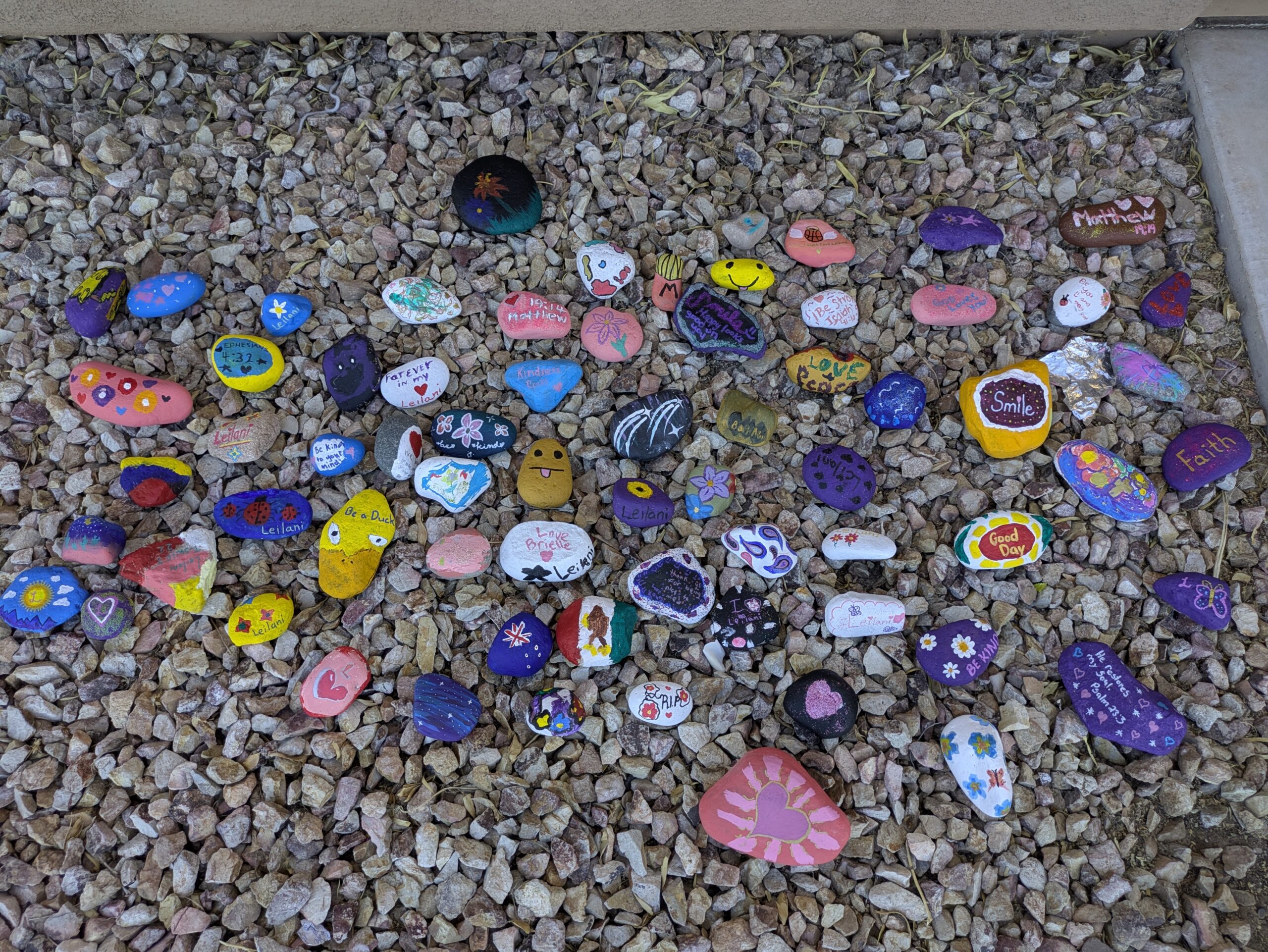
    • A painted rock or bookmark. Small art pieces fit easily on a desk.
    • “Top 10” list. Ten reasons my teacher is awesome, written and decorated by your child.
    • A song or poem. Kids can write new words to a familiar tune or record a short video.
    • A class mural. Families can coordinate a big paper banner where each student adds a drawing.

    Try this: Help younger kids by asking, “What is your favorite thing about your teacher?” Write their answer word for word. Their exact words are often the sweetest part.

    Notes From Parents Make a Difference

    Your note can be short. The key is to be specific. Instead of “Thanks for a great year,” try something like “Thank you for helping my daughter feel brave about reading out loud. She talks about it every night.”

    Specific stories show teachers their work is seen.

    Thank the Whole School Team

    Many people help your child every day: office staff, aides, specialists, coaches, cafeteria and custodial staff. A simple card from your child to someone who rarely gets thanked can make their whole week.

    Share Your Gratitude With Leadership

    A short email to the principal praising a teacher is one of the most meaningful thank-yous you can give. It puts the teacher’s great work on record and lets them know their leaders hear it, too.

    If You Want to Give Something Small

    If your family would like to include a gift, keep it simple. Classroom supplies, a favorite snack, or a plant are thoughtful choices. Always check school guidelines first, and remember that gifts are never expected.

    Gratitude Through the Arts

    At Academy Del Sol, kids express gratitude through drawing, writing, music, and performance. Creative thank-yous give students a meaningful way to show what is in their hearts. Read more about teaching gratitude with creative projects and easy ways to volunteer at school.

    Frequently Asked Questions

    What do teachers really want for Teacher Appreciation Week?

    Most teachers say handwritten notes and kid-made art mean the most. Specific stories about how they helped your child are especially meaningful.

    What is a good homemade teacher appreciation gift?

    Try a drawn portrait, a painted rock, a bookmark, a “Top 10 reasons” list, or a short song or poem your child wrote.

    Do I have to give my child’s teacher a gift?

    No. Gifts are never expected. A heartfelt note from you or your child is one of the best ways to say thank you.

    A School Community Built on Gratitude

    Academy Del Sol is a tuition-free K-8 Fine Arts charter school in Tucson, founded in 2009. Families, teachers, and students grow together as one community. Reach out to schedule a tour, and bring your questions.

    • Star Valley Campus (K-8, Firebirds): 7102 W. Valley Crest Pl., Tucson, AZ | (520) 789-7731
    • Roger Road Campus (K-8, Roadrunners): 732 W. Roger Rd., Tucson, AZ | (520) 325-2800

    Apply Now | Learn more: academydelsol.com | Hablamos español.

    Thank you, teachers.

  • How Much Sleep Do Kids Need for School? A Simple Guide by Age

    How Much Sleep Do Kids Need for School? A Simple Guide by Age

    3-minute read · For Tucson families

    The short answer

    How much sleep do kids need? Pediatric sleep experts recommend 10 to 13 hours (including naps) for ages 3 to 5, 9 to 12 hours for ages 6 to 12, and 8 to 10 hours for teens 13 to 18. A consistent bedtime routine and screen-free wind-down make those hours easier to reach.

    Sleep is one of the most important ingredients for a good school day. Well-rested kids tend to focus better, manage feelings more easily, and remember more of what they learn.

    Still, busy schedules, screens, and bedtime battles can get in the way. Here is a simple guide.

    How Much Sleep Do Kids Need by Age?

    The American Academy of Sleep Medicine, with support from the American Academy of Pediatrics, recommends these ranges every 24 hours:

    • Ages 3 to 5: 10 to 13 hours, including naps
    • Ages 6 to 12: 9 to 12 hours
    • Ages 13 to 18: 8 to 10 hours

    For example, a second grader who wakes at 6:30 a.m. would need to be asleep somewhere between 6:30 and 9:30 p.m. to reach the recommended range. Most families aim for the middle.

    Why Sleep Matters for Learning

    During sleep, the brain sorts and stores what kids learned that day. That means sleep is when new spelling words, math facts, and song lyrics really settle in. In addition, rested kids usually have more patience with friends and frustrations.

    On the other hand, tired kids may look distracted, cranky, or even hyperactive. Sometimes what looks like a behavior issue is really a sleep issue.

    Build a Simple Bedtime Routine

    A predictable routine signals the body that it is time to rest. Keep it short and the same each night:

    1. Bath or shower
    2. Pajamas and brushing teeth
    3. Pack the backpack for tomorrow
    4. Read together for 10 to 20 minutes
    5. Lights out with a quiet goodnight

    Try this: Try a “wind-down playlist” of soft music. When the playlist starts, screens go off and the bedtime routine begins.

    Turn Off Screens Before Bed

    Screens can make it harder to fall asleep. Try turning off TVs, tablets, and phones about an hour before bedtime. Charging devices outside the bedroom helps older kids, too. Instead, offer calm activities like drawing, puzzles, or reading.

    Keep Weekends Close to Weekdays

    Big shifts on weekends can make Monday mornings tough. Try to keep bedtime and wake time within about an hour of the school-week schedule.

    Make the Bedroom Restful

    A cool, dark, quiet room helps kids sleep. Blackout curtains, a fan, or a small nightlight for younger kids can all help. In Tucson’s warmer months, keeping the room comfortable is especially important.

    When to Ask for Help

    If your child snores loudly, struggles to fall asleep most nights, or seems tired even after enough sleep, talk with your pediatrician.

    Rested Kids, Ready to Learn

    At Academy Del Sol, we see how much a good night’s sleep shapes a student’s day. Rested students are ready to sing, create, and dig into academics. Read more about building a calm school morning routine and what whole-child education means.

    Frequently Asked Questions

    How much sleep does a school-age child need?

    Children ages 6 to 12 need 9 to 12 hours of sleep per night, according to the American Academy of Sleep Medicine, supported by the American Academy of Pediatrics.

    How much sleep do teenagers need?

    Teens ages 13 to 18 need 8 to 10 hours of sleep per night.

    How can I help my child fall asleep faster?

    Keep a short, consistent bedtime routine, turn off screens about an hour before bed, and keep the bedroom cool, dark, and quiet.

    A School That Supports Healthy, Happy Learners

    Academy Del Sol is a tuition-free K-8 Fine Arts charter school in Tucson. We care about the whole child, inside and outside the classroom. Reach out to schedule a tour, and bring your questions.

    • Star Valley Campus (K-8, Firebirds): 7102 W. Valley Crest Pl., Tucson, AZ | (520) 789-7731
    • Roger Road Campus (K-8, Roadrunners): 732 W. Roger Rd., Tucson, AZ | (520) 325-2800

    Apply Now | Learn more: academydelsol.com | Hablamos español.

    Rest well, learn well.

  • How to Help Kids With Test Anxiety: Calm Strategies That Work

    How to Help Kids With Test Anxiety: Calm Strategies That Work

    3-minute read · For Tucson families

    The short answer

    To help kids with test anxiety, keep the focus on effort instead of scores, practice calm breathing together, protect sleep and breakfast before test day, and remind your child that one test is just one snapshot. If worries feel big or last a long time, talk with the teacher.

    Butterflies before a test are normal. However, for some kids, those butterflies turn into stomachaches, tears, or trouble sleeping. Spring testing season can bring those feelings to the surface.

    The good news: parents can do a lot to help kids with test anxiety feel calmer and more prepared.

    What Test Anxiety Looks Like

    Test anxiety shows up differently for every child. You might notice:

    • Stomachaches or headaches before school
    • Trouble falling asleep the night before
    • Negative talk like “I’m going to fail”
    • Freezing up or going blank during a test
    • Avoiding practice or homework

    A little nervousness can actually help kids focus. The goal is not zero worry. It is helping worry stay a manageable size.

    How to Help Kids With Test Anxiety at Home

    Focus on effort, not scores. Let your child know you care about how hard they try, not a number. “I’m proud of how you prepared” goes a long way.

    Name the feeling. Saying “It sounds like you’re feeling nervous” helps kids feel understood. Feelings that are named are easier to manage.

    Keep perspective. Remind your child that one test is just one snapshot. It does not measure how smart, kind, or creative they are.

    Practice Calming Strategies Together

    Teach a few simple tools when your child is calm, so they are ready to use during stressful moments:

    • Balloon breathing. Breathe in slowly through the nose, filling the belly like a balloon, then breathe out slowly.
    • 5-4-3-2-1 grounding. Name five things you see, four you hear, three you can touch, two you smell, and one you taste.
    • Positive self-talk. Practice phrases like “I can do hard things” or “I’ll skip it and come back.”
    • Squeeze and release. Tighten fists for five seconds, then let go.

    Try this: Practice balloon breathing at bedtime for a week before testing. When it is already a habit, kids are more likely to use it at their desk.

    Set Up Test Day for Success

    Simple routines make a big difference:

    • Protect sleep the night before.
    • Serve a filling breakfast.
    • Leave a few extra minutes so the morning is not rushed.
    • Send a short, confident goodbye, like “You’ve got this.”

    When to Get More Support

    If anxiety feels big, happens often, or affects your child outside of testing, talk with their teacher or your pediatrician. They can help you find the right support.

    Confidence Grows Through the Arts

    Performing, presenting, and sharing creative work help kids practice staying calm under pressure. At Academy Del Sol, the arts are part of every week, so students build that confidence over time. Read more about why social-emotional learning matters and how performing arts build confidence.

    Frequently Asked Questions

    How can I help my child with test anxiety?

    Focus on effort instead of scores, name and normalize the feeling, practice calming strategies like slow breathing, and protect sleep and breakfast before test day.

    Is test anxiety normal in kids?

    Some nervousness before a test is normal. If anxiety causes frequent stomachaches, sleep problems, or avoidance, talk with the teacher or your pediatrician.

    What calming strategies work for kids during a test?

    Slow belly breathing, positive self-talk, and skipping a hard question to come back later are simple strategies kids can use at their desk.

    A School That Cares About the Whole Child

    Academy Del Sol is a tuition-free K-8 Fine Arts charter school in Tucson, founded in 2009. We support students’ confidence as well as their academics. Reach out to schedule a tour, and bring your questions.

    • Star Valley Campus (K-8, Firebirds): 7102 W. Valley Crest Pl., Tucson, AZ | (520) 789-7731
    • Roger Road Campus (K-8, Roadrunners): 732 W. Roger Rd., Tucson, AZ | (520) 325-2800

    Apply Now | Learn more: academydelsol.com | Hablamos español.

    Calm minds, brave hearts.

  • Movement and Learning: Why Dance and Active Play Help Kids Learn

    Movement and Learning: Why Dance and Active Play Help Kids Learn

    3-minute read · For Tucson families

    The short answer

    Movement and learning are closely connected. Active play and dance get blood flowing to the brain, help kids focus after sitting, and give them new ways to remember ideas. Short brain breaks, learning songs with motions, and family dance parties are easy ways to add movement at home.

    Kids are built to move. If you have ever watched a child wiggle through dinner or bounce while reading, you already know it.

    Rather than seeing that energy as a problem, we can use it. Movement and learning go hand in hand.

    How Movement and Learning Connect

    When kids move, their heart rate rises and more oxygen reaches the brain. Many teachers notice that students focus better after a short burst of activity. In addition, moving while learning gives kids another way to store information. A dance step tied to a spelling word or a hand motion for a science term can make it easier to remember.

    Why Dance Is Especially Powerful

    Dance combines physical activity with creativity, rhythm, and memory. When kids learn a short routine, they practice:

    • Sequencing. Remembering steps in order, just like a story or a math process.
    • Coordination. Using both sides of the body together.
    • Listening skills. Following rhythm, tempo, and cues in the music.
    • Self-expression. Showing feelings and ideas without words.
    • Teamwork. Moving in sync with a group.

    Dance also builds confidence. Performing, even for family in the living room, helps kids feel brave in front of others.

    Brain Breaks: Small Moves, Big Results

    A brain break is a short movement activity between periods of focused work. It can take just two or three minutes. Try these at home during homework:

    • Freeze dance to one song
    • Ten jumping jacks and five deep breaths
    • Animal walks: bear crawl, frog jumps, or crab walk
    • Mirror game: one person leads, the other copies

    Try this: Set a timer for 15 to 20 minutes of homework, then take a two-minute brain break. Many kids get more done this way, not less.

    Learning Songs With Motions

    For younger kids, songs with hand motions turn learning into play. The alphabet, days of the week, counting, and even the water cycle all work well. Better yet, let your child make up the motions. Creating the movement helps them remember it.

    Family Dance Parties

    Not every dance session needs a lesson. Sometimes the best thing you can do is turn up the music after dinner and move together. Rotate who picks the song, try styles from different cultures, and let everyone invent a signature move.

    Movement and Learning at School

    At Academy Del Sol, movement is part of our fine arts approach, alongside music, visual art, and theater. Students move, perform, and create as part of everyday learning. Physical activity continues through athletics, too. Learn more about our Fine Arts program, athletics at Academy Del Sol, and why learning through play works.

    Frequently Asked Questions

    How does movement help kids learn?

    Movement increases blood flow to the brain, helps kids refocus after sitting, and gives them another way to remember information, such as motions tied to words or ideas.

    What is a brain break?

    A brain break is a short, two- to three-minute movement activity between periods of focused work, like freeze dance, jumping jacks, or animal walks.

    What are the benefits of dance for kids?

    Dance builds coordination, memory, listening skills, teamwork, self-expression, and confidence.

    A School Where Kids Learn by Moving and Creating

    Academy Del Sol is a tuition-free K-8 Fine Arts charter school in Tucson. Music, art, movement, and performance are part of everyday learning. Reach out to schedule a tour, and bring your questions.

    • Star Valley Campus (K-8, Firebirds): 7102 W. Valley Crest Pl., Tucson, AZ | (520) 789-7731
    • Roger Road Campus (K-8, Roadrunners): 732 W. Roger Rd., Tucson, AZ | (520) 325-2800

    Apply Now | Learn more: academydelsol.com | Hablamos español.

    Move, create, learn.

  • Outdoor Learning in Tucson: Exploring the Sonoran Desert With Kids

    Outdoor Learning in Tucson: Exploring the Sonoran Desert With Kids

    3-minute read · For Tucson families

    The short answer

    Outdoor learning in Tucson is easy because the Sonoran Desert is right outside the door. Take short desert walks, start a nature journal, watch for birds and wildflowers, and visit local parks and gardens. Go early in the day, bring plenty of water, and let kids lead with their questions.

    Tucson families have something special in their backyard: the Sonoran Desert. It is home to saguaros, roadrunners, quail, lizards, and wildflowers you will not find anywhere else in the world.

    That makes outdoor learning in Tucson easy, affordable, and a lot of fun.

    Why Outdoor Learning Matters

    Time outside gives kids a chance to move, explore, and ask questions. When kids touch, see, and hear the world around them, science stops being a page in a book. In addition, outdoor time can help kids feel calmer and more focused when they return to schoolwork.

    Easy Outdoor Learning in Tucson Close to Home

    You do not need a big trip to learn outside. Start in your yard, neighborhood, or a nearby park:

    • Saguaro spotting. Count the arms on saguaros you pass. Talk about how slowly they grow.
    • Shadow tracking. Trace a shadow with chalk in the morning and again later. What changed?
    • Bird watching. Look and listen for Gambel’s quail, cactus wrens, and hummingbirds.
    • Rock collecting. Sort rocks by color, size, or texture.
    • Desert after rain. Smell the creosote after a storm and notice how plants respond.

    Start a Nature Journal

    A simple notebook turns a walk into a learning adventure. Kids can draw a plant, write the date, and note the weather. Over weeks and months, they will see the desert change through the seasons.

    Younger kids can draw and dictate. Older kids can add labels, measurements, and questions to research later.

    Try this: Pick one “sit spot” near your home. Visit it once a week for five quiet minutes and record what you notice. Kids are amazed at how much changes.

    Family Outings Around Tucson

    When you want a bigger adventure, Tucson has wonderful options. Saguaro National Park, Sabino Canyon, and Tucson Mountain Park offer trails for many ages. In addition, Tucson Botanical Gardens, Tohono Chul, and the Arizona-Sonora Desert Museum help kids get up close with desert plants and animals. Check each site’s website for current hours, fees, and trail conditions before you go.

    Stay Safe in the Desert

    Desert outings are best with a little planning:

    • Go early in the morning, especially as temperatures rise.
    • Bring more water than you think you need.
    • Wear hats, sunscreen, and closed-toe shoes.
    • Stay on trails and teach kids to look but not touch cactus.
    • Keep a respectful distance from wildlife.

    Bringing the Outdoors Into School

    At Academy Del Sol, students connect what they see outside to science, art, and writing. A desert walk can become a sketch, a poem, or a song. Read more about what great science education looks like, why field trips matter, and why hands-on learning works.

    Frequently Asked Questions

    What are easy ways to learn outside with kids in Tucson?

    Try saguaro spotting, bird watching, shadow tracking, rock collecting, and keeping a nature journal during walks near home.

    When is the best time for desert outings with kids?

    Early mornings are best, especially in warmer months. Always bring plenty of water, hats, and sunscreen.

    What are good family nature spots in Tucson?

    Saguaro National Park, Sabino Canyon, Tucson Mountain Park, Tucson Botanical Gardens, Tohono Chul, and the Arizona-Sonora Desert Museum are popular choices. Check each site for current hours and fees.

    A Tucson School Rooted in Its Community

    Academy Del Sol is a tuition-free K-8 Fine Arts charter school serving Tucson families since 2009, with campuses in west and central Tucson. Reach out to schedule a tour, and bring your questions.

    • Star Valley Campus (K-8, Firebirds): 7102 W. Valley Crest Pl., Tucson, AZ | (520) 789-7731
    • Roger Road Campus (K-8, Roadrunners): 732 W. Roger Rd., Tucson, AZ | (520) 325-2800

    Apply Now | Learn more: academydelsol.com | Hablamos español.

    Our desert is a classroom.

  • Homework Tips for Parents: How to Help Without Taking Over

    Homework Tips for Parents: How to Help Without Taking Over

    4-minute read · For Tucson families

    The short answer

    The best homework tips for parents focus on structure, not answers. Set a consistent time and quiet spot, help your child break assignments into small steps, ask guiding questions when they get stuck, and let the work be theirs. If homework regularly ends in tears, talk with the teacher.

    Homework time can be peaceful, or it can turn into a nightly battle. Most families have experienced both.

    The goal of homework is practice and responsibility. With a few habits in place, you can support your child without doing the work for them.

    Set a Consistent Homework Time

    Kids do best when homework happens at the same time most days. Some kids need a snack and a break after school. Others like to finish right away. Watch your child’s energy and choose a time that works, then stick with it.

    Create a Simple Homework Space

    A homework spot does not need to be fancy. It just needs to be calm and stocked. A kitchen table works well, especially for younger kids who need a parent nearby.

    Keep a small caddy with:

    • Pencils, erasers, and a sharpener
    • Crayons or colored pencils
    • Scissors and glue
    • Paper and a ruler
    • A timer

    Homework Tips for Parents When Kids Get Stuck

    When your child hits a wall, resist the urge to give the answer. Instead, ask guiding questions:

    • “What is the question asking you to do?”
    • “What do you already know about this?”
    • “Can you draw it or show it another way?”
    • “Where could you look for an example?”

    These questions build problem-solving skills that last far longer than one worksheet.

    Try this: Try the “three before me” rule for older kids: reread the directions, check notes or examples, and try one more strategy before asking for help.

    Break Big Assignments Into Small Steps

    Long projects can feel overwhelming. Help your child list the steps and put them on a calendar. For example, a book report might be: finish reading, jot down notes, write a draft, then add a drawing. Small steps make big work doable.

    Take Movement Breaks

    Young kids especially need to move. A two-minute dance break, a lap around the yard, or a few stretches can reset focus. Music helps, too. Many kids work well with calm background music, though others need quiet. Experiment and see what works.

    Let It Be Their Work

    It is tempting to fix every mistake. However, teachers use homework to see what kids understand. If you correct everything, the teacher cannot see where your child needs help. Instead, point out that something looks off and let your child find it.

    Know When to Reach Out

    If homework regularly takes much longer than expected or ends in tears, talk with the teacher. They want to know, and they can adjust the work or suggest strategies. You are a team.

    Learning Beyond Worksheets

    At Academy Del Sol, learning happens through academics and the arts together. Students sketch, sing, build, and perform as part of their lessons, which gives them more ways to understand and remember. Read more about why hands-on learning works and why parent involvement matters.

    Frequently Asked Questions

    How much should parents help with homework?

    Parents should help set up routines, a quiet space, and support when kids are stuck, but the work itself should be the child’s. Guiding questions are better than giving answers.

    What is the best time to do homework?

    The best time depends on your child. Some need a snack and break first, while others focus best right after school. Consistency matters most.

    What should I do if homework always ends in tears?

    Take a break, keep things calm, and talk with your child’s teacher. They can adjust the work or suggest strategies that fit your child.

    A School That Partners With Families

    Academy Del Sol is a tuition-free K-8 Fine Arts charter school in Tucson. Teachers and families work together to help students learn with confidence. Reach out to schedule a tour, and bring your questions.

    • Star Valley Campus (K-8, Firebirds): 7102 W. Valley Crest Pl., Tucson, AZ | (520) 789-7731
    • Roger Road Campus (K-8, Roadrunners): 732 W. Roger Rd., Tucson, AZ | (520) 325-2800

    Apply Now | Learn more: academydelsol.com | Hablamos español.

    Calm routines, confident learners.

  • Growth Mindset for Kids: How to Teach “Not Yet” at Home

    Growth Mindset for Kids: How to Teach “Not Yet” at Home

    3-minute read · For Tucson families

    The short answer

    A growth mindset for kids is the belief that abilities grow with effort, practice, and good strategies. You can build it at home by praising effort instead of talent, adding the word “yet” to “I can’t do it,” and treating mistakes as part of learning.

    “I’m just not a math person.” “I’ll never be good at drawing.” Many kids say things like this when learning gets hard. Fortunately, a small shift in how we talk about learning can change how they see themselves.

    That shift is called a growth mindset.

    What Is a Growth Mindset for Kids?

    A growth mindset is the belief that skills and intelligence can grow. Kids with a growth mindset see challenges as a chance to improve. In contrast, a fixed mindset says abilities are set: you either have them or you do not.

    The idea comes from research by psychologist Carol Dweck. Since then, it has become a common way teachers and parents talk about learning and effort.

    Why It Matters

    Kids who believe they can improve are more likely to keep trying after a mistake. They take on harder books, practice an instrument longer, and recover faster from a tough test. Over time, that persistence adds up.

    Of course, effort alone is not enough. A growth mindset also means trying new strategies and asking for help when you are stuck.

    The Power of “Yet”

    One small word makes a big difference. When your child says “I can’t do this,” add one word: “You can’t do this yet.”

    “Yet” turns a dead end into a path. It tells kids that learning is a process, not a verdict.

    Try this: Make a family “Yet Wall.” Write down things each person cannot do yet, from cartwheels to long division. Cross them off together as they happen.

    Praise the Process

    How we praise matters. “You’re so smart” can make kids afraid to fail. Instead, try praise that focuses on what they did:

    • “You worked hard on that.”
    • “You tried a different way when the first one didn’t work.”
    • “Look how much better that sounds than last week.”
    • “That was tricky, and you kept going.”

    Make Mistakes Normal

    Share your own mistakes and what you learned from them. Talk about a time you burned dinner, got lost, or had to practice something many times. When kids see adults handle mistakes calmly, they learn mistakes are safe.

    At dinner, you might even ask, “What mistake taught you something today?”

    Growth Mindset for Kids Through the Arts

    The arts are one of the best places to practice a growth mindset. No one plays a song perfectly the first time. Rehearsals, sketches, and drafts are all about getting better step by step. At Academy Del Sol, fine arts are woven into the school week, so students experience this kind of growth again and again. Read more about how performing arts build confidence and why music education matters.

    Frequently Asked Questions

    What is a growth mindset in simple terms?

    A growth mindset is the belief that you can get better at things through effort, practice, and trying new strategies.

    How do I teach my child a growth mindset?

    Praise effort and strategies instead of talent, add the word “yet” when your child says they cannot do something, and talk openly about mistakes as part of learning.

    What are good growth mindset phrases for kids?

    Try “I can’t do it yet,” “Mistakes help my brain grow,” “I can try a different way,” and “This is hard, and I can keep going.”

    A School Where Practice Pays Off

    Academy Del Sol is a tuition-free K-8 Fine Arts charter school in Tucson, founded in 2009. Daily arts give students real practice in growing step by step. Reach out to schedule a tour, and bring your questions.

    • Star Valley Campus (K-8, Firebirds): 7102 W. Valley Crest Pl., Tucson, AZ | (520) 789-7731
    • Roger Road Campus (K-8, Roadrunners): 732 W. Roger Rd., Tucson, AZ | (520) 325-2800

    Apply Now | Learn more: academydelsol.com | Hablamos español.

    Not yet is just the beginning.

  • How Drawing Helps Kids Learn: More Than Just Art Time

    How Drawing Helps Kids Learn: More Than Just Art Time

    3-minute read · For Tucson families

    The short answer

    Drawing helps kids learn by building fine motor skills for writing, sharpening observation and focus, and helping them remember and explain ideas. When kids sketch a plant, map a story, or diagram a math problem, they process information more deeply. A pencil and paper are all it takes.

    Many kids reach for crayons before they can write their names. That early love of drawing is more than play. In fact, drawing is one of the most powerful learning tools a child has.

    Here is how drawing helps kids learn, and simple ways to keep them sketching at home.

    Drawing Builds Fine Motor Skills

    Holding a crayon, controlling a line, and coloring inside a shape all strengthen the small muscles in the hand. Those same muscles are needed for writing letters, cutting with scissors, and buttoning a coat. For young kids especially, drawing is pre-writing practice in disguise.

    Drawing Sharpens Observation

    To draw a cactus, you have to really look at it. How many arms does it have? Where are the spines? Which way does the shadow fall? This kind of careful looking is the same skill scientists use. As a result, kids who draw often notice more details in the world around them.

    Try this: Next time you are outside, bring a small sketchbook. Ask your child to draw one plant, rock, or bird. Then compare the drawing to the real thing together.

    Drawing Helps Kids Remember

    Studies on learning suggest that drawing something can help people remember it better than just writing it down. When kids sketch a vocabulary word, a science process, or a moment from history, they connect words and pictures. That double connection makes memories stick.

    Drawing Makes Thinking Visible

    Sometimes kids understand more than they can say. A drawing lets them show what they know. A child might struggle to explain the water cycle out loud but can draw clouds, rain, and rivers with arrows in between. Similarly, sketching a word problem often helps kids solve it.

    Drawing Builds Focus and Calm

    Many kids settle into a quiet focus while they draw. That calm attention is a skill they carry into reading and homework. For anxious or energetic kids, a few minutes of doodling can also be a healthy way to reset.

    Easy Drawing Activities to Try at Home

    • Draw your day. Each evening, your child sketches one moment from school.
    • Story maps. After reading a book, draw the beginning, middle, and end.
    • Nature journals. Sketch one desert plant each week and watch how it changes.
    • Drawing math. Use dots, groups, and pictures to solve word problems.
    • Family portrait gallery. Take turns drawing each other at the dinner table.

    How Drawing Helps Kids Learn at School

    At Academy Del Sol, visual art is woven into learning across subjects. Students sketch in science, illustrate stories in reading, and create finished pieces they are proud to share. It is one reason families choose a Fine Arts charter school. Learn more about our Fine Arts program, what arts integration really means, and how the arts support math and reading.

    Frequently Asked Questions

    Why is drawing important for child development?

    Drawing builds fine motor skills, observation, memory, and focus. It also gives kids a way to show what they understand before they have all the words.

    Does drawing help with writing?

    Yes. Drawing strengthens the hand muscles and control kids need to form letters, which makes it great pre-writing practice.

    How can I encourage my child to draw more?

    Keep paper and pencils within reach, try a daily “draw your day” habit, and praise effort and ideas instead of how realistic the drawing looks.

    A School Where Art Is Part of Learning

    Academy Del Sol is a tuition-free K-8 Fine Arts charter school in Tucson. Students draw, paint, sing, and perform as part of everyday learning. Reach out to schedule a tour, and bring your questions.

    • Star Valley Campus (K-8, Firebirds): 7102 W. Valley Crest Pl., Tucson, AZ | (520) 789-7731
    • Roger Road Campus (K-8, Roadrunners): 732 W. Roger Rd., Tucson, AZ | (520) 325-2800

    Apply Now | Learn more: academydelsol.com | Hablamos español.

    Every sketch is a step forward.

  • Parent-Teacher Conference Tips: How to Make the Most of Your Meeting

    Parent-Teacher Conference Tips: How to Make the Most of Your Meeting

    3-minute read · For Tucson families

    The short answer

    The best parent-teacher conference tips are simple: talk with your child first, bring two or three questions, listen for strengths as well as concerns, and leave with one or two clear next steps. Keep the conversation going after the meeting with a quick follow-up.

    Parent-teacher conferences are short, often 15 to 20 minutes. Even so, they can shape how the rest of the school year goes. A little preparation helps you turn a quick meeting into a real partnership.

    Here are practical parent-teacher conference tips for families of kindergartners through middle schoolers.

    Before the Conference

    Talk with your child first. Ask what they enjoy, what feels hard, and if there is anything they want the teacher to know. Kids often share more than you expect when they know their voice matters.

    Look at recent work. Check the backpack, the parent portal, or returned assignments. Notice patterns, both strengths and struggles.

    Write down your questions. Time flies in a conference. A short list keeps you focused.

    Questions to Ask at a Parent-Teacher Conference

    You do not need to ask all of these. Pick the ones that matter most for your child:

    • What are my child’s strengths in class?
    • Where does my child need the most support right now?
    • How does my child get along with classmates?
    • What does a typical day look like for my child?
    • How can I support learning at home?
    • What is the best way to reach you with questions?

    Try this: Ask about the whole child. Questions about friendships, confidence, and creativity matter just as much as reading and math.

    During the Conference

    Start with the positives. Teachers love sharing what is going well, and it sets a collaborative tone.

    Listen with curiosity. If a concern comes up, ask for examples. “Can you tell me more about what that looks like?” helps you understand the full picture.

    Share what you know. You are the expert on your child. Let the teacher know about changes at home, interests, or what motivates your child.

    Agree on next steps. Before you leave, name one or two things you will each try. For example, the teacher might offer extra practice, and you might add 15 minutes of reading each night.

    Parent-Teacher Conference Tips for After the Meeting

    Talk with your child about the meeting. Start with the good news, then share the plan in a positive way. Kids feel supported when they know the adults in their life are on the same team.

    A few weeks later, send a quick note to check in. Small, steady communication often matters more than one big meeting.

    Partnership Is the Goal

    At Academy Del Sol, we see families as partners. Teachers get to know students and families over many years, since students can stay with us from kindergarten through 8th grade. Learn more about why parent involvement matters and easy ways to volunteer at school.

    Frequently Asked Questions

    What should I bring to a parent-teacher conference?

    Bring a short list of questions, any notes about your child’s recent work, and anything important happening at home that could affect school.

    What questions should I ask at a parent-teacher conference?

    Ask about your child’s strengths, areas for growth, friendships, and how you can support learning at home.

    Should my child attend the parent-teacher conference?

    It depends on the school and your child’s age. Many middle schoolers benefit from joining, while younger kids can share their thoughts with you beforehand.

    Partner With a School That Knows Your Child

    Academy Del Sol is a tuition-free K-8 Fine Arts charter school in Tucson, founded in 2009. Families and teachers work together to help every student grow. Reach out to schedule a tour, and bring your questions.

    • Star Valley Campus (K-8, Firebirds): 7102 W. Valley Crest Pl., Tucson, AZ | (520) 789-7731
    • Roger Road Campus (K-8, Roadrunners): 732 W. Roger Rd., Tucson, AZ | (520) 325-2800

    Apply Now | Learn more: academydelsol.com | Hablamos español.

    Better together, school and home.

  • How to Help Your Child Make Friends at School

    How to Help Your Child Make Friends at School

    3-minute read · For Tucson families

    The short answer

    To help your child make friends, practice simple social skills at home, like greetings, sharing, and asking questions. Set up low-pressure playdates, encourage shared activities such as music, art, or sports, and talk through tricky moments with patience instead of fixing everything for them.

    Few things tug at a parent’s heart like hearing “No one played with me today.” Whether your child is shy, new to a school, or just figuring out how friendship works, you can help.

    Friendship is a skill. Like reading or riding a bike, it gets easier with practice and support.

    Why Friendships Matter at School

    Friends make school feel safe and fun. Kids with a few solid friendships tend to feel more confident, take healthy risks in class, and bounce back faster from hard days. In addition, friendships are where kids practice kindness, patience, and teamwork.

    Your child does not need to be the most popular kid in class. One or two good friends can make a big difference.

    Practice Social Skills at Home

    Home is the best rehearsal space. Try practicing these simple skills during everyday moments:

    • Greetings. Say hello, make eye contact, and use a friend’s name.
    • Asking questions. “What did you build?” or “Do you like soccer?” keeps a conversation going.
    • Joining in. Practice asking “Can I play too?” and what to do if the answer is no.
    • Sharing and taking turns. Board games are perfect for this.
    • Reading feelings. Talk about how characters in books or shows might feel.

    Try this: Role-play with stuffed animals or puppets. Younger kids often feel braver practicing through a character.

    Help Your Child Make Friends With Low-Pressure Playdates

    Big groups can overwhelm some kids. Instead, invite one classmate for a short visit with a clear activity: building with blocks, baking cookies, or painting. Shared activities take the pressure off conversation and give kids something to bond over.

    Ask your child’s teacher who they enjoy working with in class. Teachers often notice budding friendships before parents do.

    Encourage Shared Interests

    Kids connect fastest over things they both love. Music, art, drama, and sports all create natural friend groups. When kids sing in a group, rehearse a scene, or play on a team, they work toward a shared goal. As a result, friendships form without anyone having to force them.

    Talk Through Tough Days

    When your child shares a hard moment, listen first. Then ask questions instead of jumping in with solutions: “What happened next?” or “What could you try tomorrow?” This helps kids build problem-solving skills and confidence.

    If friendship struggles continue or your child seems withdrawn for a long time, reach out to their teacher. You are a team.

    A Smaller Community Helps

    In a school where students stay together from kindergarten through 8th grade, friendships have years to grow. At Academy Del Sol, the arts give kids daily chances to collaborate, perform, and create side by side. Read more about how performing arts build confidence and why social-emotional learning matters.

    Frequently Asked Questions

    How can I help my shy child make friends?

    Practice greetings and conversation starters at home, set up one-on-one playdates with a shared activity, and encourage clubs or activities your child already enjoys.

    Is it normal for my child to have only one or two friends?

    Yes. Many kids prefer a few close friends. Quality matters more than quantity.

    When should I talk to the teacher about friendship problems?

    If your child seems lonely or upset for several weeks, or mentions being left out often, reach out to the teacher so you can work together.

    A School Community Where Friendships Grow

    Academy Del Sol is a tuition-free K-8 Fine Arts charter school in Tucson. Students learn, create, and perform together from kindergarten through 8th grade. Reach out to schedule a tour, and bring your questions.

    • Star Valley Campus (K-8, Firebirds): 7102 W. Valley Crest Pl., Tucson, AZ | (520) 789-7731
    • Roger Road Campus (K-8, Roadrunners): 732 W. Roger Rd., Tucson, AZ | (520) 325-2800

    Apply Now | Learn more: academydelsol.com | Hablamos español.

    Friends who grow up together.

  • Benefits of Being Bilingual for Kids: What Tucson Parents Should Know

    Benefits of Being Bilingual for Kids: What Tucson Parents Should Know

    3-minute read · For Tucson families

    The short answer

    The benefits of being bilingual for kids include stronger connections with family, more flexible thinking, and a wider world of friends, books, and opportunities. Kids do not get confused by two languages. With regular use at home and in the community, both languages can grow together.

    In Tucson, two languages are part of everyday life. Many kids hear Spanish at home and English at school, or the other way around. Other families are working to add a second language for the first time.

    Either way, parents often ask the same questions: Will two languages slow my child down? Should we only speak English at home? Here is what to know.

    The Benefits of Being Bilingual

    Research on bilingual children points to real advantages. Of course, every child is different, but families often see benefits like these:

    • Family connection. Kids can talk with grandparents, cousins, and relatives in the language that matters to them.
    • Flexible thinking. Switching between languages gives kids practice shifting attention and looking at problems from more than one angle.
    • Cultural pride. Language carries stories, songs, and traditions. Keeping it alive helps kids feel rooted.
    • More opportunities later. Bilingual skills can open doors in school, travel, and future careers.

    Myth: Two Languages Confuse Kids

    This is the worry we hear most. In reality, children around the world grow up with two or more languages. Mixing words from both languages in one sentence is normal. It is a sign that a child is using every word they know, not a sign of confusion.

    Some bilingual kids may take a little longer to show their full vocabulary in each language. However, when you count words across both languages, they are usually right on track.

    Try this: If you have questions about your child’s speech or language development, talk with your pediatrician or your child’s teacher. Being bilingual is not a cause of language delays.

    How to Keep Both Languages Strong at Home

    Consistency matters more than perfection. These simple habits help:

    • Speak the language you know best. Kids learn rich language from parents who speak naturally and confidently.
    • Read in both languages. Bilingual picture books and library visits make this easy.
    • Sing and play music. Songs are one of the easiest ways for kids to pick up new words.
    • Make it social. Family gatherings, community events, and playdates give kids a reason to use each language.
    • Celebrate it. Praise your child for using both languages. Pride keeps a language alive.

    The Role of School

    School should welcome every family’s language. When kids feel their home language is valued, they are more confident learners in every subject.

    At Academy Del Sol, families are greeted with a bilingual welcome, and both campuses serve neighborhoods across Tucson. Music, art, and performance give students even more ways to express themselves, no matter which language comes first. Learn more about our Roger Road campus and our Star Valley campus, or read about early literacy and why it matters.

    Frequently Asked Questions

    Does being bilingual confuse young children?

    No. Children can learn two languages at the same time. Mixing words from both languages is a normal part of bilingual development, not a sign of confusion.

    Should I speak only English at home so my child does well in school?

    Not necessarily. Speaking the language you know best gives your child rich, natural language. A strong home language supports learning in English, too.

    What are easy ways to support a second language at home?

    Read bilingual books, sing songs, visit the library, and give your child chances to use both languages with family and friends.

    A Bilingual Welcome for Every Family

    Academy Del Sol is a tuition-free K-8 Fine Arts charter school in Tucson, founded in 2009. We welcome families in English and Spanish at both campuses. Reach out to schedule a tour, and bring your questions.

    • Star Valley Campus (K-8, Firebirds): 7102 W. Valley Crest Pl., Tucson, AZ | (520) 789-7731
    • Roger Road Campus (K-8, Roadrunners): 732 W. Roger Rd., Tucson, AZ | (520) 325-2800

    Apply Now | Learn more: academydelsol.com | Hablamos español.

    Two languages, one school family.

  • Goal Setting for Kids: A Simple Way to Help Your Child Grow

    Goal Setting for Kids: A Simple Way to Help Your Child Grow

    4-minute read · For Tucson families

    The short answer

    Goal setting for kids works best when the goal is small, specific, and the child picks it. Help your child choose one goal, break it into tiny weekly steps, track progress with a simple chart, and celebrate effort along the way, not just the finish line.

    A new year, a new semester, or even a new month is a great time to talk about goals. Kids love the idea of getting better at something, whether it is reading chapter books, learning a song, or finally riding a bike without training wheels.

    Goal setting for kids is less about big resolutions and more about building a habit: notice what you want, make a plan, and keep going.

    Why Goal Setting for Kids Matters

    When kids set and reach a goal, they learn that effort leads to progress. That lesson sticks. It helps on hard math problems, at the start of a new sport, and on stage before a performance.

    Goals also give kids a sense of control. Instead of waiting to be told what to do, they get to decide what they want to work on. As a result, motivation comes from the inside.

    Step 1: Let Your Child Choose

    Ask open questions: “What is something you want to get better at?” or “What would you like to learn this year?” Then listen. A goal your child picks will always beat one you assign.

    Younger kids might say “read a longer book” or “tie my shoes.” Older kids might pick “learn three songs on the keyboard” or “raise my math grade.”

    Step 2: Make It Small and Specific

    “Be better at reading” is hard to measure. “Read 15 minutes every night” is clear. Help your child turn a big wish into something they can see and count.

    A simple formula works for most ages:

    • What will I do?
    • How often will I do it?
    • How will I know I did it?

    Step 3: Break It Into Weekly Steps

    Big goals feel far away. Weekly steps feel doable. If the goal is to perform a song at a family gathering, week one might be learning the first verse. Week two adds the chorus. By week four, it is time for a living room rehearsal.

    Try this: Write the steps on a calendar or a paper chain. Kids love tearing off a link or adding a sticker each time they finish a step.

    Step 4: Track Progress Creatively

    A goal chart does not have to be boring. Kids can draw a mountain and move a paper climber up each week. Others like a jar they fill with marbles. Meanwhile, middle schoolers may prefer a simple notebook or habit tracker.

    The point is to make progress visible. When kids can see how far they have come, they keep going.

    Step 5: Celebrate Effort, Not Just Results

    Some weeks will go well. Others will not. Praise the effort, the practice, and the comeback after a hard day. For example, “You kept practicing even when it was tricky” teaches more than “You’re so smart.”

    When a goal is reached, celebrate in a way that fits your family: a special dinner, a trip to the library, or a mini performance for grandparents.

    How Goal Setting Connects to the Arts

    The arts are a natural place to practice goal setting. Learning a piece of music, finishing a painting, or rehearsing a play all require small steps over time. At Academy Del Sol, fine arts are woven into the school week, so students practice this kind of steady progress all year. Learn more about why music education matters and how student leadership builds confident kids.

    Frequently Asked Questions

    At what age can kids start setting goals?

    Kids as young as 4 or 5 can set simple goals, like putting away toys or learning a new letter each week. The goal should match their age and be easy to see and count.

    How many goals should a child set at once?

    One goal at a time works best for most kids. Once that goal becomes a habit, they can add another.

    What if my child does not reach their goal?

    Treat it as a chance to learn. Talk about what worked, what was hard, and adjust the plan. Praise the effort they put in.

    A School Where Kids Learn to Keep Growing

    Academy Del Sol is a tuition-free K-8 Fine Arts charter school in Tucson, founded in 2009. Students build steady progress through daily academics and the arts. Reach out to schedule a tour, and bring your questions.

    • Star Valley Campus (K-8, Firebirds): 7102 W. Valley Crest Pl., Tucson, AZ | (520) 789-7731
    • Roger Road Campus (K-8, Roadrunners): 732 W. Roger Rd., Tucson, AZ | (520) 325-2800

    Apply Now | Learn more: academydelsol.com | Hablamos español.

    Small steps, big growth.

  • How to Build a Calm School Morning Routine That Actually Sticks

    How to Build a Calm School Morning Routine That Actually Sticks

    4-minute read · For Tucson families

    The short answer

    A calm school morning routine starts the night before. Lay out clothes, pack bags, and set breakfast plans in the evening. Then give kids a short picture checklist, wake up 10 minutes earlier than you think you need, and keep the same order every day so the routine runs itself.

    If your mornings feel like a race to the car, you are in good company. Shoes go missing, someone needs a signature, and breakfast turns into a granola bar in the backseat.

    The good news: a steady school morning routine can take a lot of the stress out of the day. It does not need to be perfect. It just needs to be predictable.

    Why a School Morning Routine Helps Kids

    Kids feel safer and more capable when they know what comes next. A routine turns a long list of reminders into a habit they can own. As a result, you spend less time nagging and more time saying goodbye with a hug instead of a hurry.

    Routines also build independence. A kindergartner can learn to put on shoes and grab a backpack. Meanwhile, a middle schooler can handle the whole list with little help.

    Start the Night Before

    The calmest mornings usually begin around dinner time. Try these five evening steps:

    • Pick out clothes. Lay out the full outfit, socks and shoes included.
    • Pack the backpack. Homework, signed forms, and library books go in, then the bag goes by the door.
    • Plan breakfast. Decide what it will be so no one debates it at 7 a.m.
    • Fill water bottles. In Tucson, a full bottle is a must almost every month of the year.
    • Check the calendar. Spirit days, field trips, and performances are easier to handle with a heads-up.

    Build a Picture Checklist

    Young kids cannot read a list yet, but they can follow pictures. Draw or print simple icons: get dressed, eat breakfast, brush teeth, shoes on, backpack on. Then tape the checklist at kid height.

    Older kids can write their own list. In fact, letting them design it, colors and doodles included, gives them a sense of ownership. A creative checklist is one they actually look at.

    Try this: Keep the order the same every day. When the steps never change, kids stop asking what is next and start doing it.

    Give the Morning a Little Breathing Room

    Most rushed mornings come down to time. Setting the alarm 10 minutes earlier gives everyone room for a spilled cup or a lost shoe. Similarly, keeping screens off until everyone is ready removes one of the biggest distractions.

    Music can help, too. A short morning playlist works like a timer. When the third song ends, it is time for shoes. Kids who love music will start racing the playlist on their own.

    Keep Goodbyes Warm and Short

    The last few minutes set the tone for the school day. A quick, consistent goodbye, like a special handshake or a “have a brave day,” helps kids walk in feeling confident. Long goodbyes can make nervous kids more anxious, so keep it loving and brief.

    How Routines Carry Into the School Day

    At Academy Del Sol, classrooms run on routines too. Students know how the day flows, from morning arrival to arts time, and that predictability frees them up to focus on learning. When home and school both feel steady, kids carry that calm with them. Read more about why school culture matters and how social-emotional learning supports kids every day.

    Frequently Asked Questions

    What is a good school morning routine for kids?

    A good school morning routine has the same steps in the same order every day: get dressed, eat breakfast, brush teeth, put on shoes, and grab a backpack. Prepping clothes and bags the night before makes it much easier.

    How early should kids wake up for school?

    Most families need 45 to 60 minutes from wake-up to departure. Add 10 extra minutes of buffer so small surprises do not turn into a rush.

    How do I get my child to follow a morning routine?

    Use a picture checklist at kid height, keep the order consistent, and praise progress. Letting kids help design the checklist gives them ownership.

    Find a School That Feels Steady and Welcoming

    Academy Del Sol is a tuition-free K-8 Fine Arts charter school serving Tucson families since 2009. Our classrooms balance clear routines with daily creativity. Reach out to schedule a tour, and bring your questions.

    • Star Valley Campus (K-8, Firebirds): 7102 W. Valley Crest Pl., Tucson, AZ | (520) 789-7731
    • Roger Road Campus (K-8, Roadrunners): 732 W. Roger Rd., Tucson, AZ | (520) 325-2800

    Apply Now | Learn more: academydelsol.com | Hablamos español.

    Calm mornings, confident kids.